
Maximizing HVAC Performance With Preventive Repairs and Seasonal Maintenance
Knowing when to schedule HVAC repairs is essential for every homeowner. Your heating, ventilation, and air conditioning system works tirelessly to maintain comfort year-round, yet many homeowners only think about it when something goes wrong. Early detection of issues, combined with routine maintenance, can save you from unexpected expenses, uncomfortable indoor conditions, and emergency service calls.
Your HVAC system impacts energy efficiency, air quality, and even property value. Ignoring problems can lead to higher utility bills, premature system failure, and emergency repair costs. By staying aware of the signs that HVAC repairs are needed and understanding the lifespan of key components, you can protect both your home and your wallet.
Recognizing Early Warning Signs of HVAC System Trouble
Preventing major failures begins with noticing the subtle signs your system is struggling. One of the first indicators is unusual noises. Grinding, rattling, squealing, or banging sounds often signal loose components, worn belts, or motor issues. Ignoring these noises can allow small problems to escalate into major HVAC repairs.
Inconsistent temperatures are another key warning sign. Rooms that are noticeably warmer or cooler than others may indicate airflow restrictions, thermostat malfunctions, aging equipment, or ductwork issues. These inconsistencies force your system to work harder, increasing wear and energy costs.
Sudden spikes in your energy bill also signal potential HVAC problems. When the system loses efficiency due to dirty filters, duct leaks, or worn components, it consumes more energy to maintain comfort. Addressing inefficiencies early can save both energy and money.
Short cycling—when the system turns on and off too frequently—places additional stress on your unit. Causes can include oversized equipment, clogged filters, or electrical faults. Without intervention, short cycling accelerates wear and increases the likelihood of expensive HVAC repairs.
Finally, poor indoor air quality, such as excessive dust, humidity, or stale air, often indicates that your system isn't filtering or ventilating effectively. Clogged filters, neglected maintenance, or duct leaks are common contributors. Prompt attention to these issues helps protect your family's health while preventing further HVAC repairs.
Preventing Costly HVAC Breakdowns Through Seasonal Maintenance
Routine seasonal maintenance is a key factor in avoiding expensive HVAC repairs and extending system life. Spring inspections prepare your air conditioner for the summer months by cleaning coils, checking refrigerant levels, inspecting electrical connections, and replacing dirty filters. Catching minor issues early prevents breakdowns during peak cooling periods.
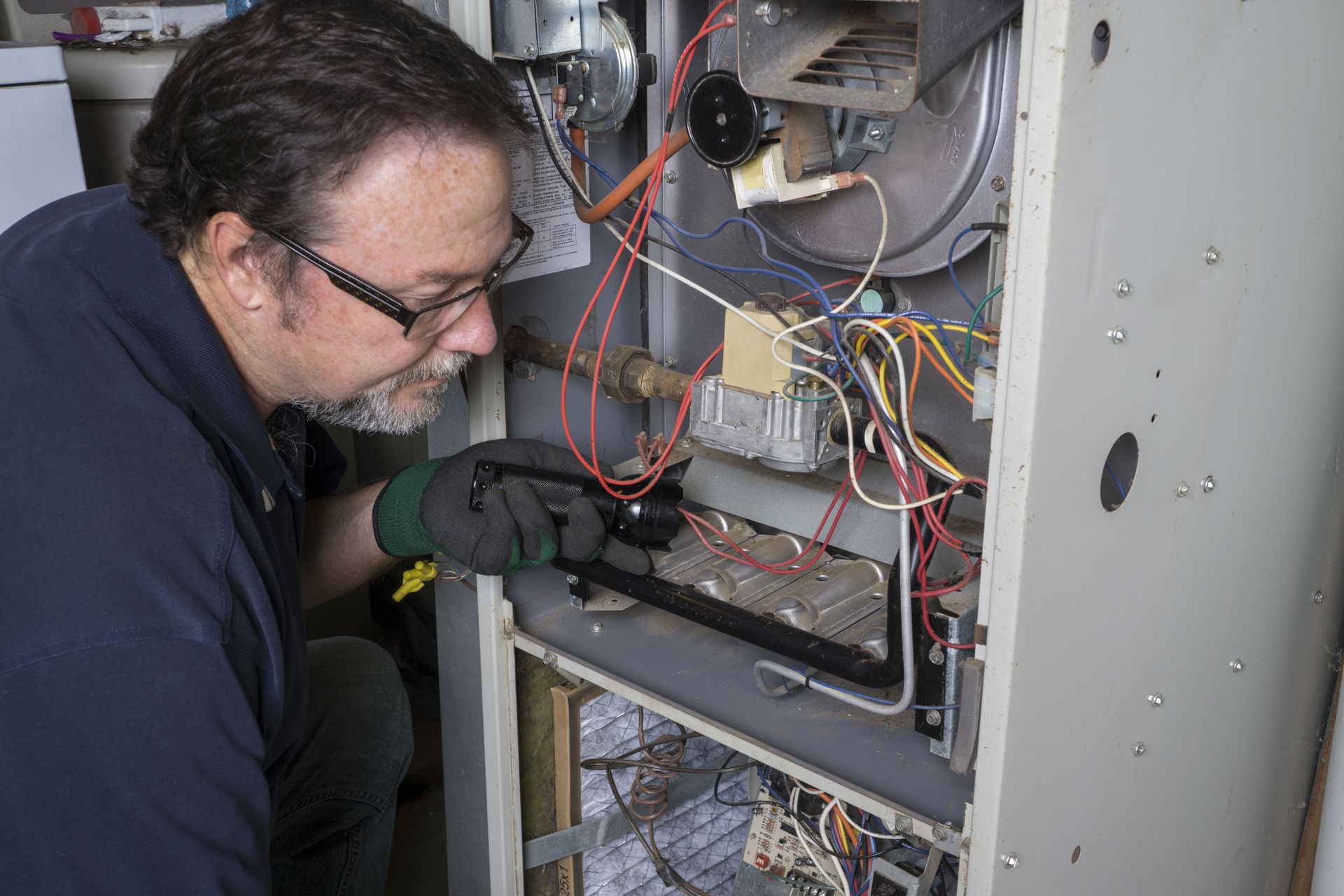
Fall maintenance ensures your heating system operates efficiently during colder months. A professional furnace tune-up typically includes inspecting burners, evaluating the heat exchanger, testing safety controls, and verifying system performance. According to This Old House, most furnaces can last up to 20 years but require eventual replacement, just like every component in your heating system. Regular seasonal maintenance helps systems reach that full lifespan while preventing unexpected HVAC repairs.
Filter replacement is a simple but critical maintenance task. Filters should generally be replaced every one to three months, depending on usage, pets, and environmental factors. Clean filters improve airflow, reduce strain on the blower motor, enhance indoor air quality, and prevent unnecessary energy costs.
Leaks in refrigerant lines or ductwork also require attention. Refrigerant leaks reduce cooling efficiency and can damage the compressor, while duct leaks allow conditioned air to escape, causing higher energy bills. Detecting and repairing leaks during routine maintenance prevents these issues from escalating into major HVAC repairs.
Finally, professional inspections allow trained technicians to detect electrical problems, worn parts, airflow restrictions, and control malfunctions before they lead to system failure. Preventive maintenance is one of the most cost-effective ways to avoid emergency HVAC repairs.
Identifying Common HVAC Repairs and Expected Equipment Lifespans
Even with proper care, HVAC systems require repairs over time due to normal wear and aging. Thermostat malfunctions are frequent, often causing uneven temperatures, short cycling, or systems that won't turn on. Solutions may include replacing batteries, recalibrating, or upgrading outdated models.
Refrigerant leaks are another common issue, signaled by hissing noises, ice formation on lines, or reduced cooling efficiency. These leaks not only reduce performance but also pose environmental risks. Certified technicians can repair leaks safely and recharge the system to prevent further damage.
Drainage issues occur when condensate lines become clogged by debris or algae, leading to water damage or reduced system efficiency. Regular drain cleaning and inspections help prevent these problems and minimize the need for costly HVAC repairs.
Mechanical wear impacts moving parts such as belts, motors, bearings, and fans. Over time, these components naturally deteriorate, and early replacement prevents sudden breakdowns. Electrical failures—such as faulty wiring, blown fuses, or tripped breakers—also require professional attention to maintain safety and system performance. As equipment ages, HVAC repairs become more frequent, and efficiency declines. Upgrading to high-efficiency components or smart thermostats can reduce strain on older systems and improve longevity.
Extending HVAC System Performance With Smart Preventive Strategies
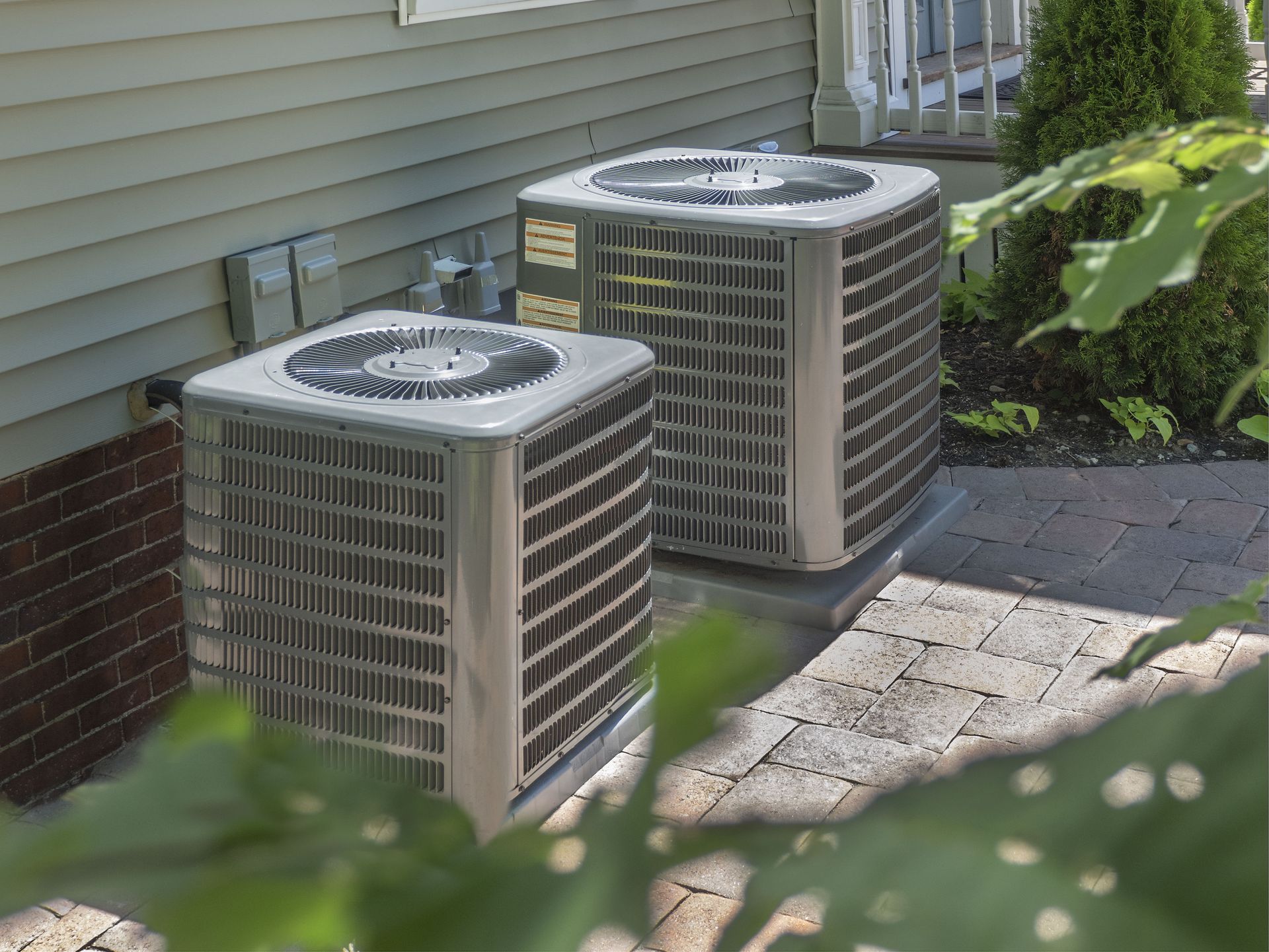
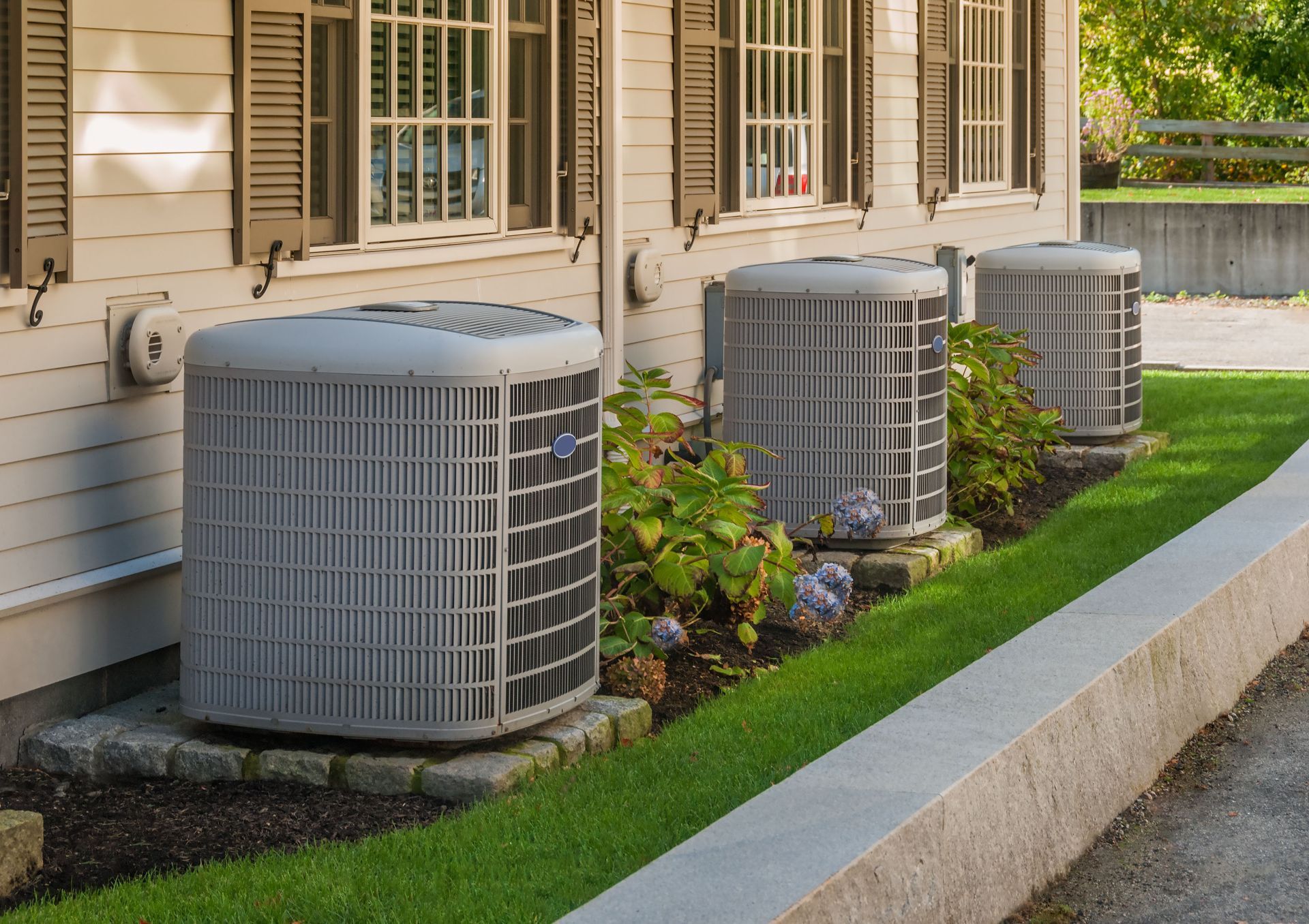
Proactive homeowners can greatly reduce the frequency of HVAC repairs through preventive care. Regular cleaning prevents blockages, keeps components operating efficiently, and ensures optimal airflow. This includes clearing outdoor units of debris, keeping vents and registers clean, and routinely changing filters.
Professional maintenance is another critical strategy. Annual tune-ups allow technicians to identify early warning signs, lubricate moving parts, and adjust system performance. Consistent preventive maintenance enhances system reliability and reduces the likelihood of emergency HVAC repairs.
Upgrading home insulation also extends HVAC system performance. Proper insulation reduces thermal loss, allowing your system to maintain comfortable temperatures without overworking. Improvements to attic insulation, sealing leaks, and repairing weather stripping can lower energy bills and reduce wear on the HVAC system.
Smart thermostats offer another effective strategy. These devices learn household patterns, adjust temperatures automatically, and allow remote control. By minimizing unnecessary run time, smart thermostats help your system operate efficiently, lowering energy costs and reducing stress on components.
Avoiding the Long-Term Costs of Ignoring HVAC Problems
Neglecting HVAC maintenance and repairs carries multiple long-term costs. Inefficient systems consume more energy, leading to higher utility bills. Proactive HVAC repairs restore efficiency, keeping operational costs under control.
Emergency repair expenses are another consequence of neglect. Unplanned breakdowns often occur during extreme weather, when service fees are higher. Regular inspections and preventive care help avoid these costly situations.
System lifespan is directly affected by deferred maintenance. Components that are not serviced regularly deteriorate faster, leading to premature system failure and replacement. Timely repairs help ensure your HVAC system reaches its full service life.
Poor indoor air quality is another hidden cost of neglect. Malfunctioning systems can circulate dust, allergens, and moisture, causing discomfort and health risks. Proper maintenance and HVAC repairs protect the well-being of everyone in your home.
Proactively managing your HVAC system through routine inspections, timely
HVAC repairs, and consistent maintenance is one of the best ways to protect your home. Recognizing early warning signs, performing seasonal maintenance, and addressing minor problems quickly reduces the risk of expensive breakdowns while extending the life of your system.
From energy efficiency to indoor air quality, preventive care improves both system performance and household comfort. If your system shows signs of strain—or it's been more than a year since your last inspection—now is the time to act. Schedule a professional HVAC inspection today with Quality Heating & Air LLC to prevent costly repairs, protect your investment, and ensure your home remains comfortable in every season.

Share On: