
What to Expect from a Professional HVAC Maintenance Check
A professional HVAC maintenance check plays a critical role in keeping your heating and cooling system operating efficiently throughout the year. Many homeowners understand the importance of routine upkeep, but they may not know exactly what a technician evaluates during an appointment. Scheduling regular HVAC service ensures that your system runs safely, performs reliably, and maintains optimal energy efficiency.
According to Energy Star, the average household spends close to $1,900 annually on energy bills, and nearly half goes to heating and cooling costs. With such a significant portion of expenses tied to indoor comfort, investing in preventative HVAC service can help control energy use and reduce unexpected repair costs. Understanding what to expect from a professional maintenance check allows you to feel confident about the condition and performance of your system.
Inspecting Overall System Performance
During a professional maintenance appointment, one of the priorities is evaluating how the entire system operates under normal conditions. The technician will power on the unit, observe startup cycles, and listen for unusual sounds that could signal wear or mechanical issues. Measuring airflow and checking temperature output helps determine whether the system is heating or cooling efficiently.
Performance testing also includes verifying that each component works in harmony. Even a small malfunction in one part can affect the overall operation. A comprehensive HVAC service ensures the system delivers consistent comfort without unnecessary strain or energy waste.
Examining Heating Components Carefully
For homes with furnaces or heat pumps, inspecting heating elements is essential, especially before colder weather arrives. Technicians examine burners, ignition systems, and heat exchangers to confirm safe and efficient operation. Any cracks, corrosion, or buildup inside the combustion chamber can compromise both performance and safety.
Electrical connections are tightened and tested to prevent short circuits or unexpected shutdowns. In gas furnaces, fuel lines and connections are checked for leaks. This thorough approach during an HVAC service visit helps protect your home from hazards such as carbon monoxide exposure while maximizing heating efficiency.
Evaluating Cooling System Operation
Air conditioning components require detailed attention during maintenance checks. Technicians inspect the compressor, condenser coils, and evaporator coils to ensure proper refrigerant circulation. Dirty coils or low refrigerant levels can cause the system to work harder than necessary, increasing energy consumption and wear.
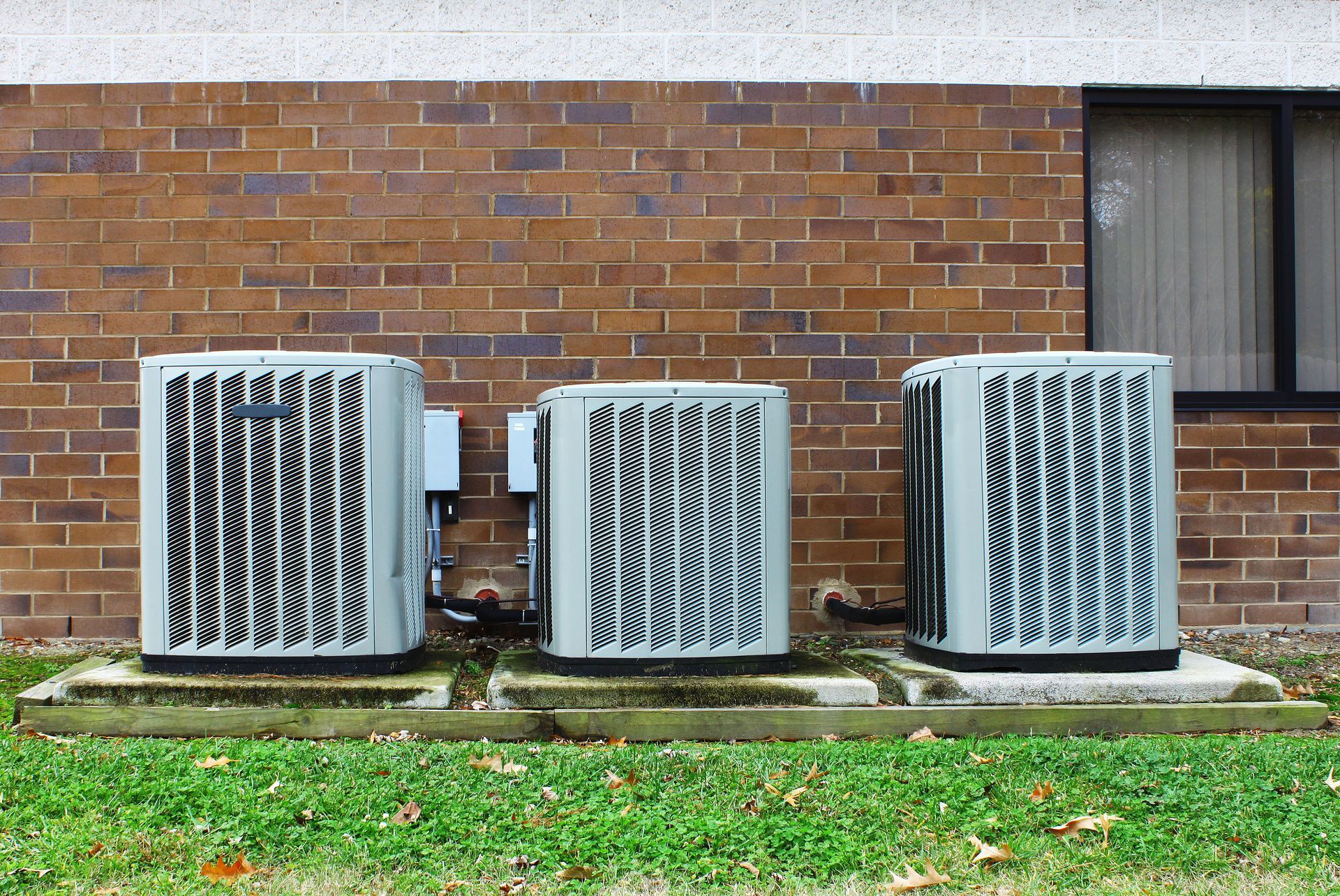
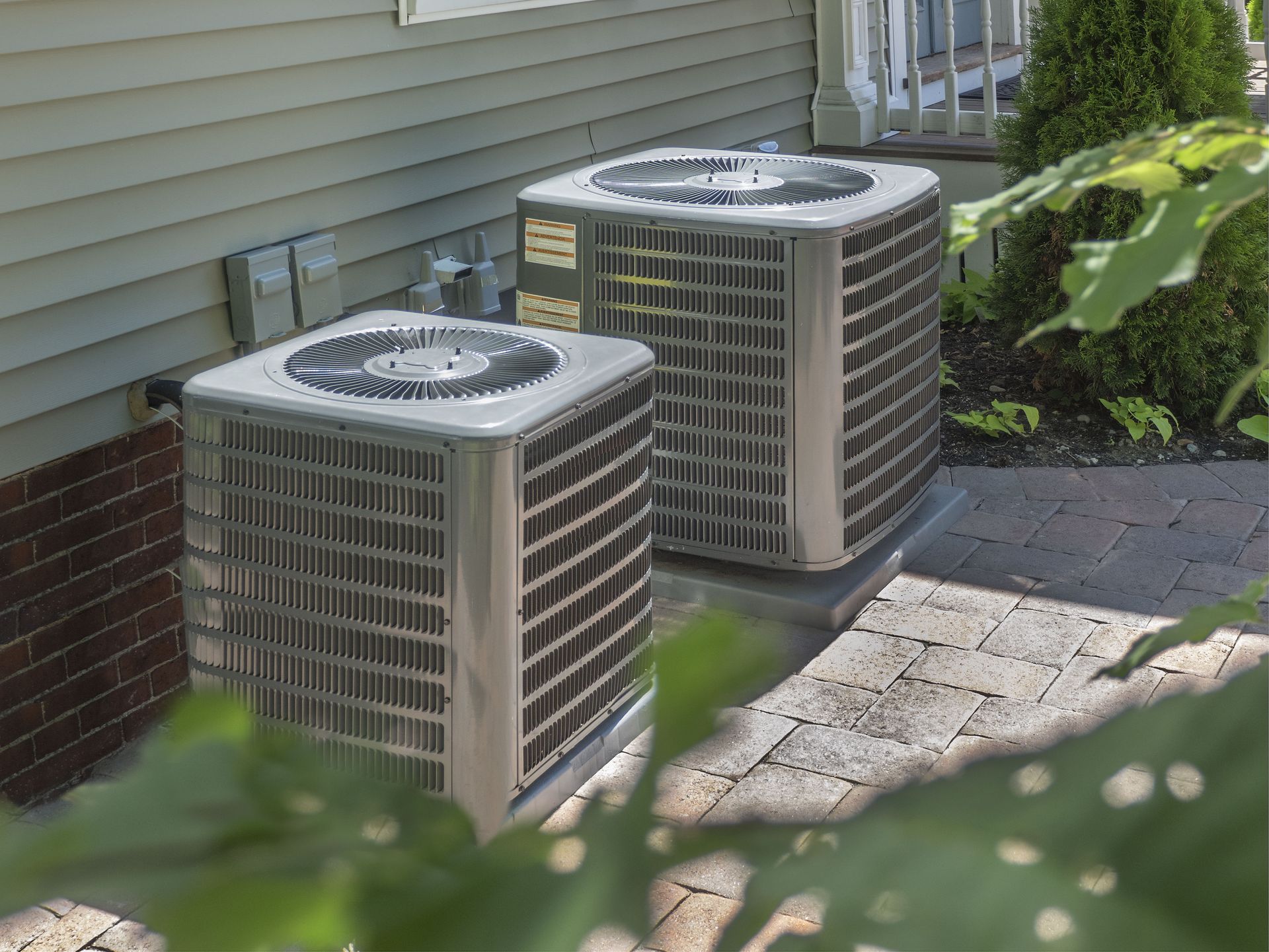
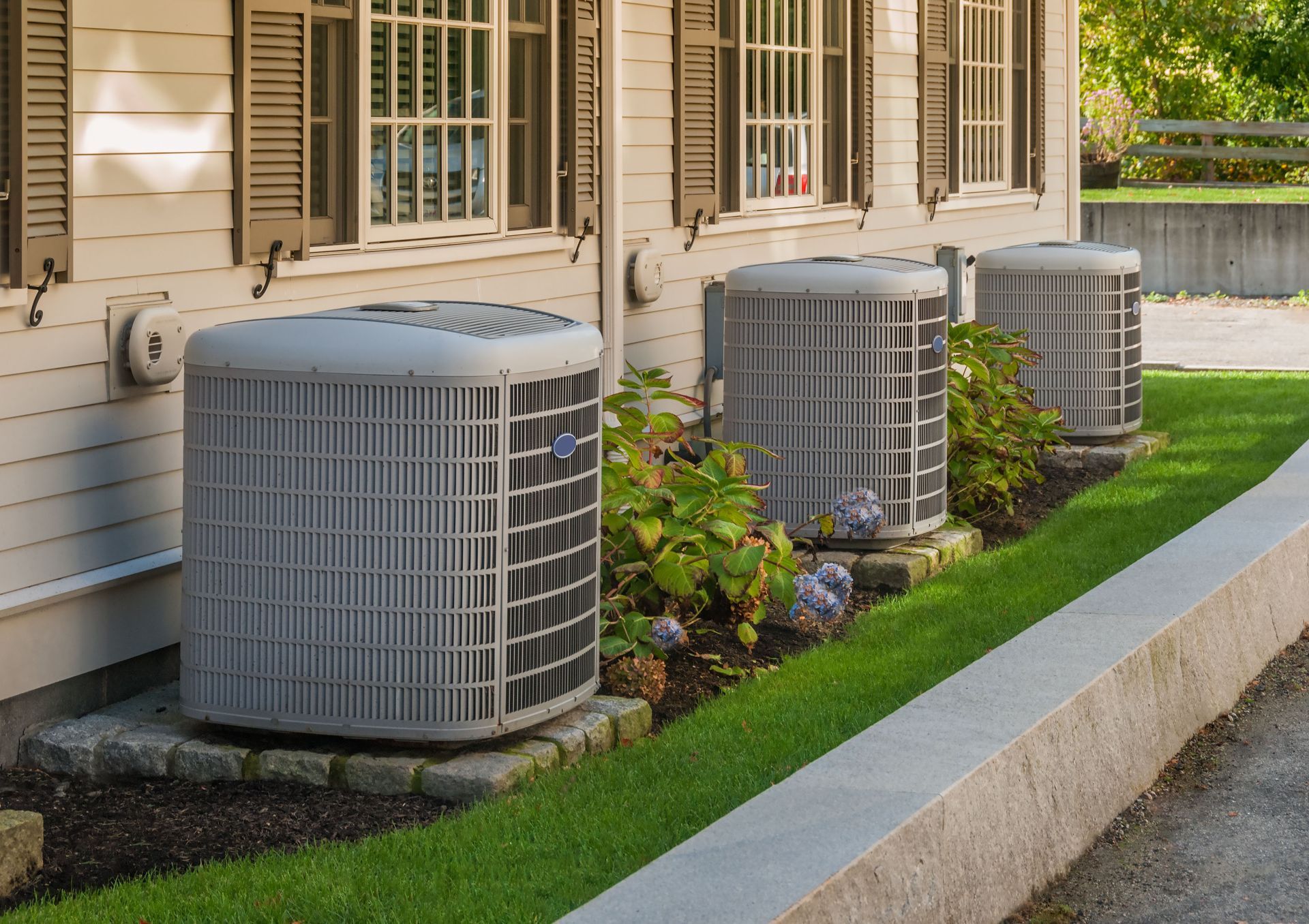
The outdoor condenser unit is cleared of debris, leaves, and dirt that may obstruct airflow. Electrical components such as capacitors and contactors are tested for proper voltage and function. By identifying potential issues early, a routine HVAC service visit helps prevent mid-season breakdowns when cooling demand is highest.
Testing Thermostat Calibration and Controls
A properly functioning thermostat is essential for maintaining accurate indoor temperatures. During a maintenance check, the technician verifies that the thermostat reads the correct temperature and responds appropriately to adjustments. Miscalibration can lead to uneven comfort and inflated energy bills.
If the system includes programmable or smart controls, settings are reviewed to ensure they align with the household’s schedule. This portion of HVAC service helps optimize energy efficiency by preventing unnecessary heating or cooling when the home is unoccupied. Small adjustments to control systems can produce noticeable savings over time.
Checking Electrical Connections and Safety Controls
Electrical systems form the backbone of modern HVAC equipment. Loose wiring, worn insulation, or faulty relays can disrupt operation and pose safety risks. During a professional maintenance visit, technicians inspect and secure electrical connections to reduce the likelihood of shorts or component failure.
Safety controls are also tested to confirm proper shutoff mechanisms. Limit switches, pressure switches, and emergency controls must function correctly to prevent overheating or system damage. Including these detailed checks as part of routine HVAC service contributes to both reliability and peace of mind.
Cleaning Coils and Internal Components
Over time, dust and debris accumulate inside heating and cooling equipment. Dirty evaporator and condenser coils restrict airflow and reduce heat exchange efficiency. As part of the maintenance process, technicians clean these surfaces carefully to restore optimal performance.
Blower assemblies and accessible internal compartments are also cleaned to improve airflow and reduce strain on the motor. This step enhances efficiency and can extend the lifespan of the system. Professional HVAC service ensures that cleaning is done safely and thoroughly without damaging delicate components.
Lubricating Moving Parts and Motors
HVAC systems contain several moving components that require proper lubrication to function smoothly. Bearings, blower motors, and other mechanical parts can experience friction if not maintained correctly. During the checkup, technicians apply appropriate lubricants where necessary to minimize wear.
Reducing friction not only prevents premature failure but also decreases energy consumption. When motors operate efficiently, they draw less power and maintain consistent airflow. Including lubrication as part of regular HVAC service helps keep the system running quietly and efficiently.
Inspecting Ductwork and Airflow Pathways
Air distribution plays a vital role in maintaining comfort throughout the home. During a maintenance appointment, technicians visually inspect accessible ductwork for leaks, gaps, or obstructions. Damaged ducts can allow conditioned air to escape, reducing efficiency and increasing utility bills.
Airflow measurements may also be taken to confirm balanced distribution across rooms. If leaks are identified, sealing recommendations may be provided. Addressing duct issues during an HVAC service visit improves comfort consistency and supports overall system performance.
Replacing Filters and Improving Air Quality
Air filters are among the most important and frequently maintained components in any HVAC system. Clogged filters restrict airflow, forcing equipment to work harder and increasing energy use. During a professional check, technicians inspect the filter and replace it if needed.
Beyond protecting mechanical components, clean filters improve indoor air quality by trapping dust, pollen, and other airborne particles. This step is particularly important for households with allergies or respiratory concerns. Routine HVAC service helps ensure that both comfort and air quality standards are maintained.
Reviewing Refrigerant Levels and System Pressures
Proper refrigerant levels are crucial for effective cooling performance. During the maintenance process, technicians measure system pressures to verify that refrigerant levels fall within manufacturer specifications. Low refrigerant can indicate leaks, which require prompt attention.
Operating an air conditioner with incorrect refrigerant levels can damage the compressor and reduce efficiency. By checking these measurements as part of HVAC service, technicians help safeguard one of the system’s most expensive components while preserving cooling capacity.
Identifying Potential Repairs and Efficiency Improvements
A maintenance visit also serves as an opportunity to identify developing problems before they escalate. Technicians look for worn belts, aging parts, rust, or corrosion that could lead to future breakdowns. Early detection allows homeowners to plan repairs proactively rather than react to emergencies.
In addition to repairs, professionals may suggest efficiency upgrades, such as improved insulation around duct connections or advanced thermostat options. Because heating and cooling account for such a significant portion of annual energy expenses, these recommendations can deliver long-term savings. A well-executed HVAC service appointment provides valuable insight into both immediate system health and future performance opportunities.
Concluding Expectations from Professional Maintenance
Scheduling a professional HVAC maintenance check is one of the most effective ways to protect your investment in home comfort. From inspecting mechanical components and cleaning internal systems to testing electrical connections and verifying thermostat accuracy, each step contributes to dependable operation and improved efficiency.
With nearly half of the average household’s energy bill tied to heating and cooling, preventative care offers both financial and practical benefits. Routine HVAC service reduces the risk of unexpected breakdowns, enhances indoor air quality, and ensures your system operates safely in every season. By understanding what to expect during a maintenance visit, homeowners can approach each appointment with confidence, knowing their comfort system is in capable hands. Are you looking to hire an experienced HVAC service in the Louisville, KY area? If so, contact the professionals at Quality Heating & Air LLC today.

Share On: