
How Often Should You Have Your Air Conditioning Unit Serviced?
Air conditioning units are integral to maintaining comfort in homes and businesses, especially during hot weather. Regular maintenance of these units is crucial to ensure they operate efficiently and have a longer lifespan. Neglecting AC maintenance can lead to higher energy bills, reduced system efficiency, and costly repairs or replacements. This article explores the optimal service intervals for air conditioners, helping you balance cost with performance. By understanding the importance of regular HVAC services, you can avoid the pitfalls of neglecting your air conditioning unit.
The Basics of Air Conditioning Maintenance
Components of an AC Unit
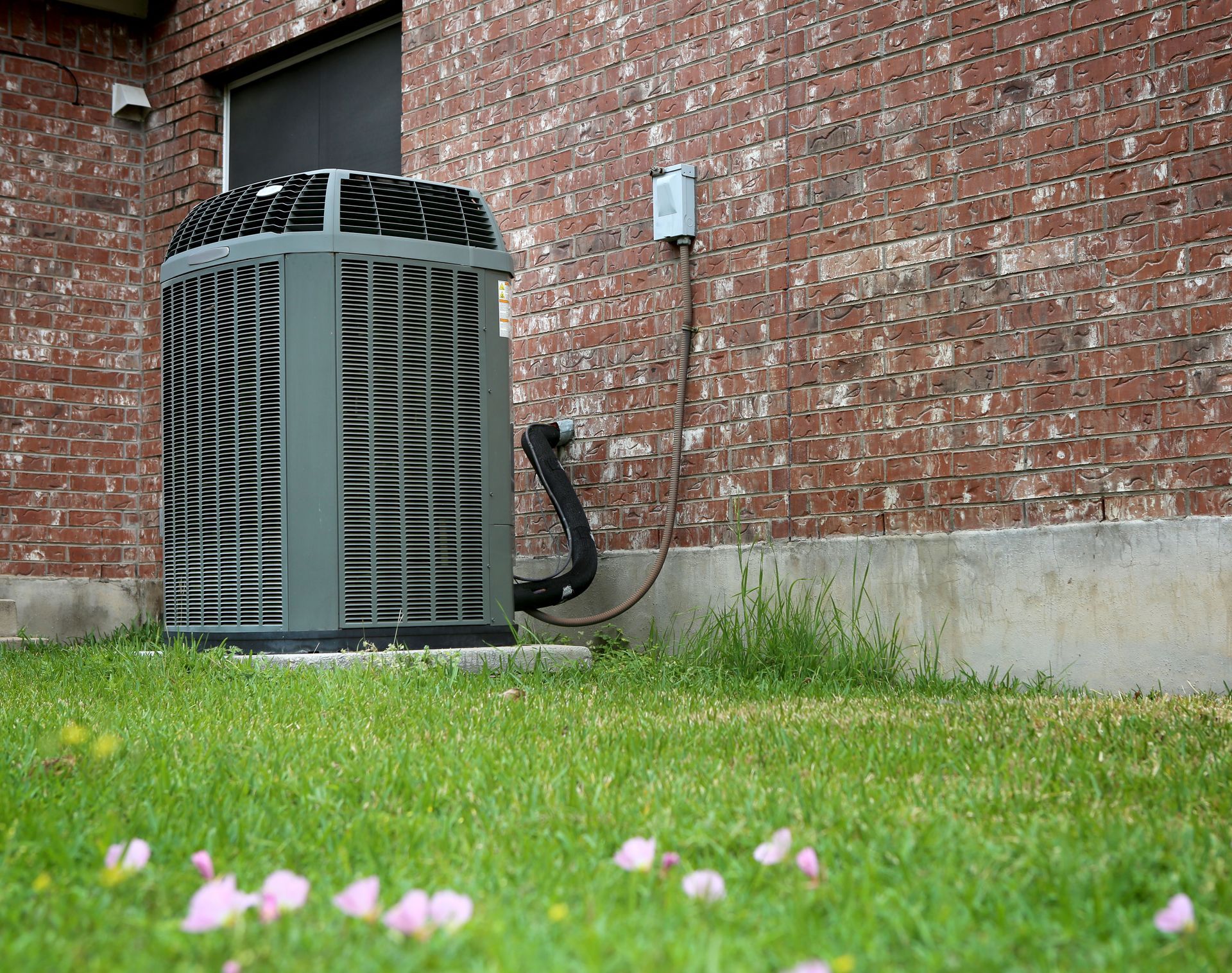
An air conditioning unit consists of several key components that work together to provide cooling. The compressor, condenser coil, evaporator coil, and refrigerant are essential parts that require regular checks. In addition to these, filters, ducts, and fans also play a vital role in the cooling process. Over time, dust and debris can accumulate, impacting the functionality of each component. Proper maintenance involves inspecting and cleaning these parts to ensure the system runs smoothly and efficiently.
What is AC Servicing?
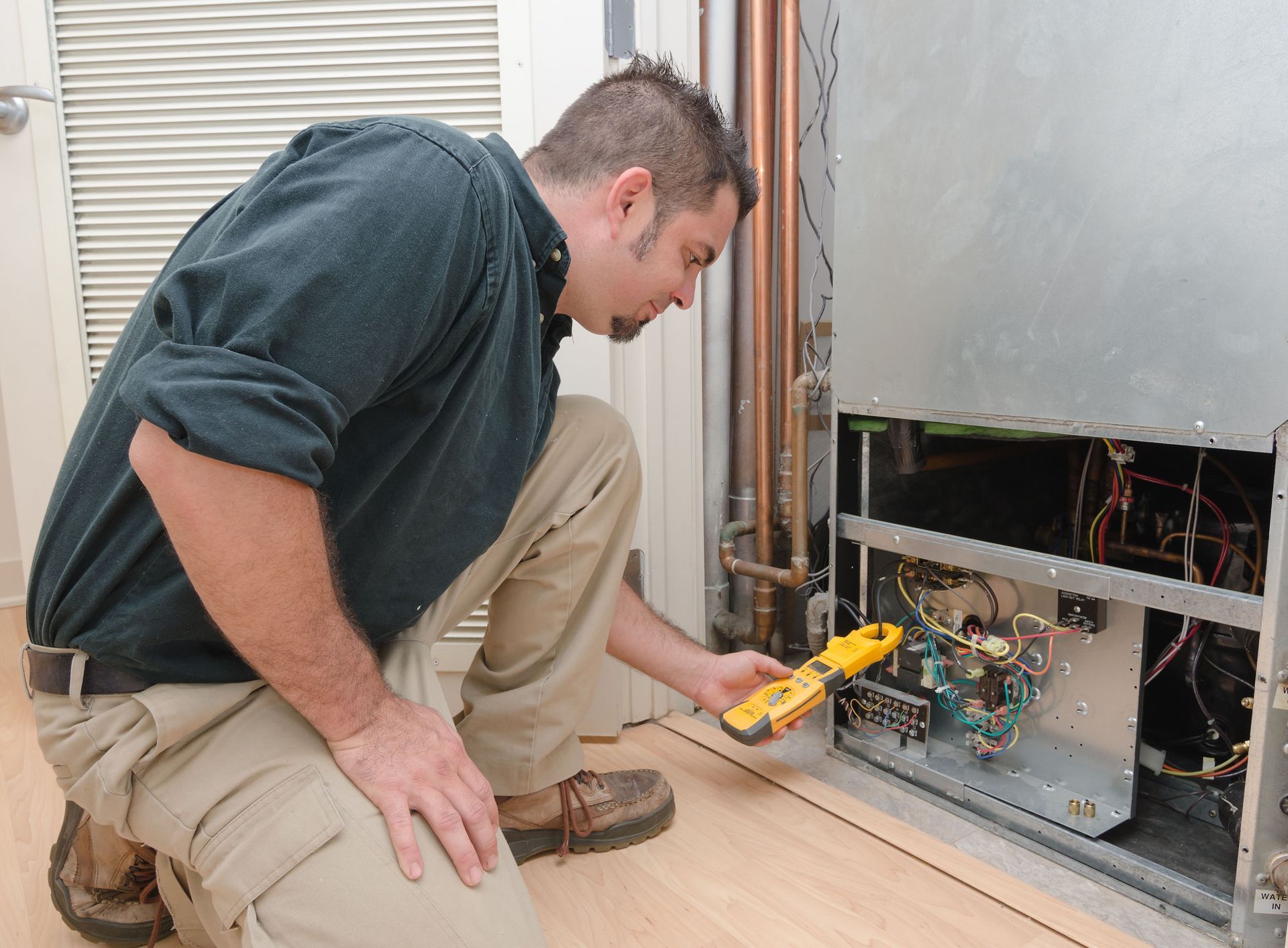
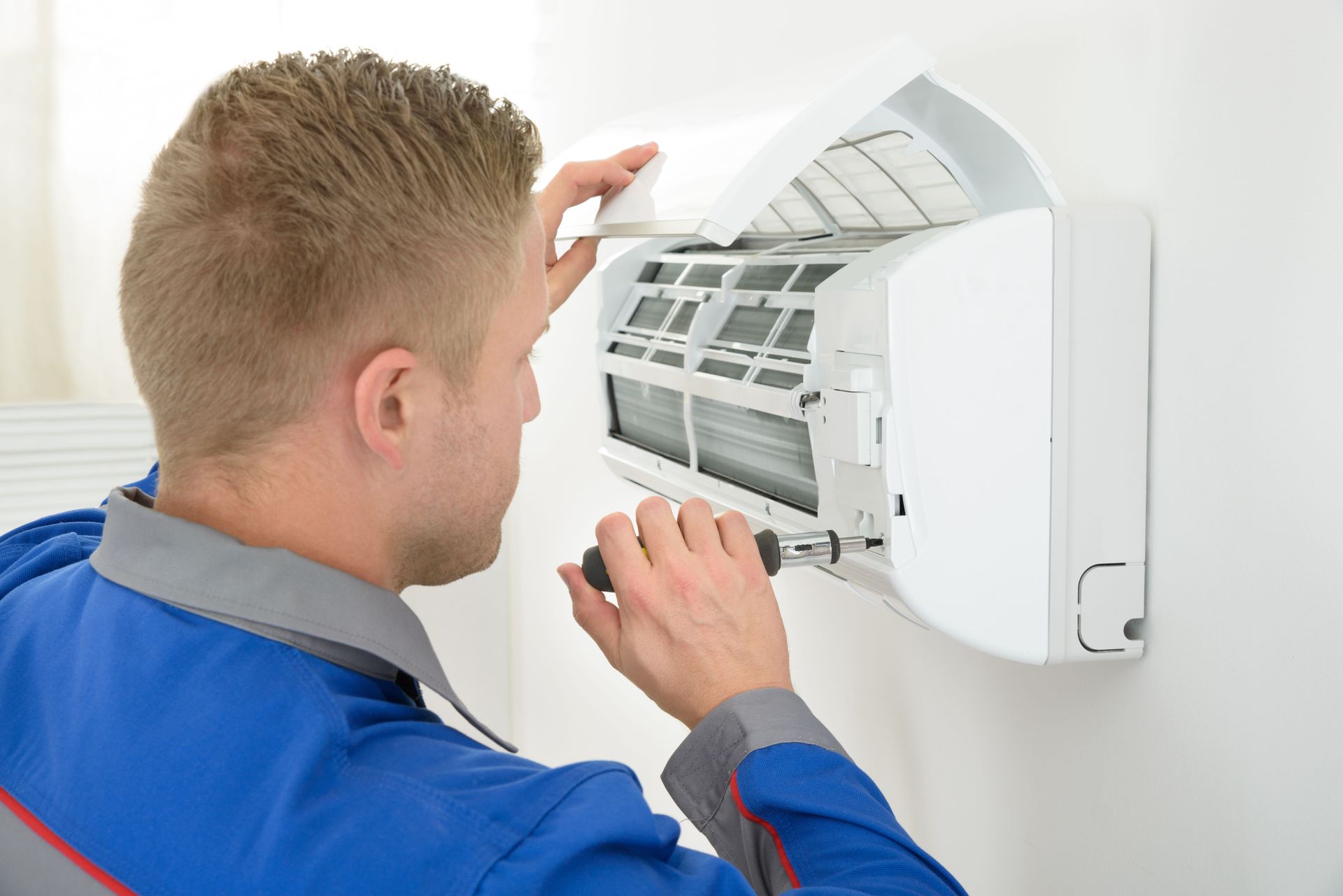
AC servicing involves a comprehensive inspection and cleaning of the unit's components. Technicians check refrigerant levels, inspect electrical connections, and ensure the thermostat functions properly. They also clean or replace filters, which helps in maintaining efficient airflow. Regular servicing not only prevents unexpected breakdowns but also keeps the system working at peak performance. Well-maintained units use less energy, resulting in lower utility bills and extended lifespan.
Benefits of Regular Maintenance
Routine maintenance offers numerous benefits for your air conditioner. It helps in avoiding costly repairs by identifying potential issues early. Keeping the unit in top shape ensures a pleasant indoor climate, even during extreme weather conditions. Furthermore, regular servicing can increase the efficiency of the air conditioning unit, leading to savings on energy expenses. According to HomeGuide, a well-maintained air conditioner can last 12 to 15 years, highlighting the investment value of regular upkeep.
Common Signs Your AC Needs Servicing
Recognizing when your AC needs servicing is crucial in preventing long-term damage. Common indicators include unusual noises, reduced cooling output, and increased energy bills. If you notice any leaks or a persistent foul odor, these could also signal underlying issues. Ignoring these signs can exacerbate problems, resulting in costly repairs. Regular checks can preemptively address these issues, ensuring consistent performance.
The Role of Professional Technicians
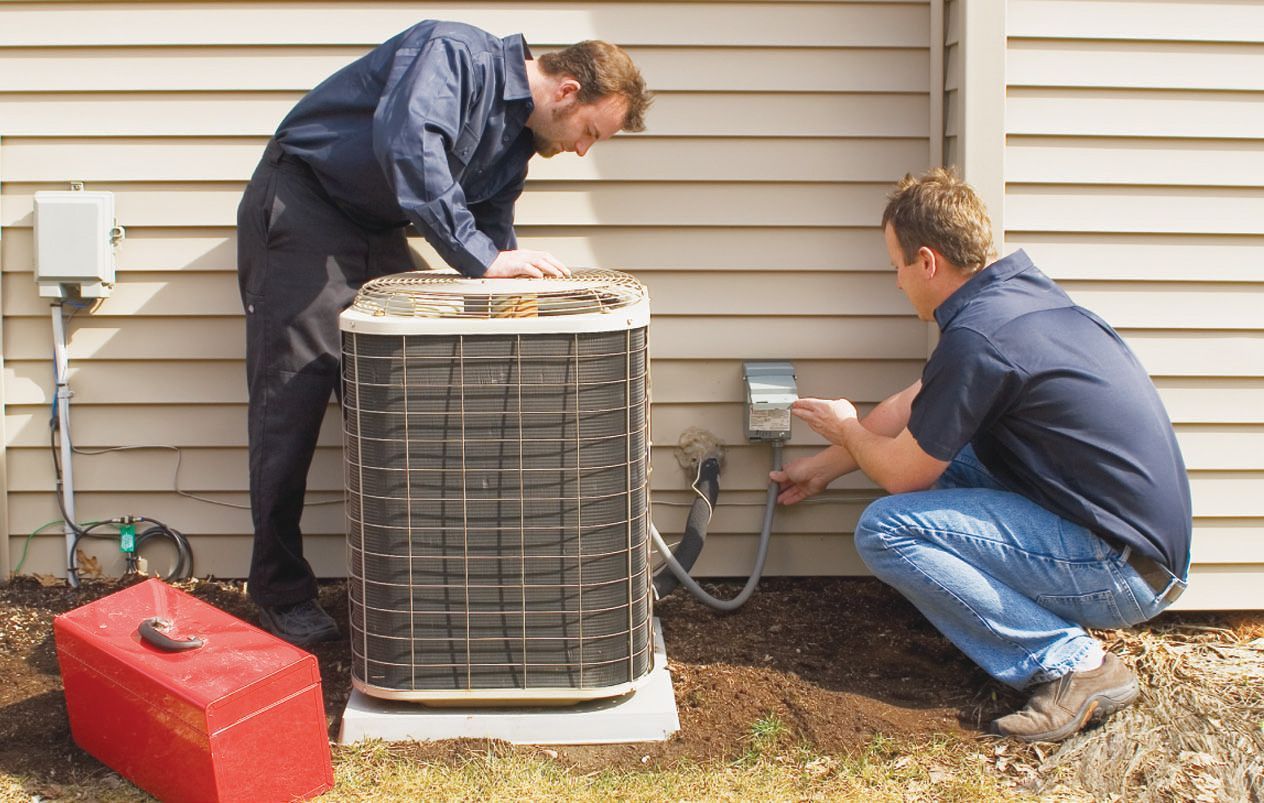
Professional technicians are trained to assess and repair air conditioning units effectively. They possess the expertise to handle complex components safely and correctly. An experienced technician can quickly identify issues that may not be apparent to a homeowner. Their services ensure that your air conditioner complies with industry standards and functions optimally. Enlisting professionals for routine maintenance alleviates the stress of managing intricate system details yourself.
Manufacturer Recommendations for AC Servicing
Sourcing the Correct Information
Navigating manufacturer guidelines is crucial to maintaining your AC unit appropriately. Most brands offer detailed maintenance instructions in their user manuals. Adhering to these recommendations can protect your warranty, which often requires proof of regular servicing. It's essential to consult reputable sources for accurate servicing intervals. Relying on manufacturer advice ensures that your AC unit operates within the conditions it was designed for.
General Guidelines from Top Brands
Top brands generally recommend servicing air conditioning units at least once a year. However, the frequency may increase based on usage intensity and environmental conditions. For instance, units in dusty or humid climates may require more frequent maintenance. Adhering to these guidelines can optimize the performance of the unit while prolonging its lifespan. Regular servicing by authorized technicians is often part of these guidelines, ensuring comprehensive care.
Warranty Implications of Regular Maintenance
Routine maintenance can have significant implications for the warranty of your air conditioning unit. Manufacturers might void warranties if maintenance schedules are not followed. Keeping detailed records of service visits and any repairs is an essential part of protecting your investment. This documentation serves as proof of compliance should any warranty-related claims arise. Proactive maintenance not only preserves your warranty but enhances overall system reliability.
Differentiating Between Types of AC Systems
Different types of air conditioning systems may require varying maintenance schedules. Split systems, central air conditioners, and window units each have distinct characteristics and demands. Central AC systems, for example, might need more frequent duct inspections due to their scale. Understanding these differences is vital in performing appropriate maintenance. Tailoring your service schedule to the specific system ensures optimal results and efficiency.
Frequency Recommendations Based on Usage Patterns
Usage patterns significantly influence how often you should service your AC unit. If the system runs continuously during peak seasons, more frequent checks are advisable. Similarly, homes with higher occupant loads may require regular filter replacements to handle increased dust and allergens. Establishing a routine based on specific home conditions maximizes unit efficiency. Considering these patterns helps in determining an effective maintenance schedule.
Environmental and Usage Factors Impacting Service Frequency
Geographical Location and Climate Considerations
Environmental factors, including climate and location, play a crucial role in determining service frequency. Units in coastal areas are more susceptible to corrosion due to salty air, necessitating frequent checks. Areas with high pollution levels or extreme temperatures may also require additional maintenance. Adjusting service intervals based on geographic conditions ensures your AC unit remains functional under varying demands. This proactive approach helps in maintaining system integrity over time.
Usage Intensity and Household Size
The size of your household and how intensively the AC is used also affect servicing needs. Larger families typically generate more internal heat and humidity, impacting the load on air conditioning systems. Frequent gatherings or events may also necessitate additional cooling, stressing the unit further. Recognizing these factors can help tailor a maintenance plan suited to your lifestyle. Adapting service schedules based on usage ensures that your AC keeps up with your home's demands.
Seasonal Versus Year-Round Use
Air conditioners used seasonally may require less frequent servicing compared to units operating year-round. However, it's crucial to have end-of-season inspections to prepare units for prolonged inactivity. Year-round systems, especially in commercial settings, demand more meticulous maintenance to handle constant loads. Understanding these seasonal influences aids in devising flexible maintenance strategies. This approach ensures consistent performance regardless of operational duration.
Indoor Air Quality and Its Effects
Indoor air quality significantly impacts how often an AC unit should be serviced. Poor ventilation or frequent use of air fresheners and other volatile products can affect system performance. High levels of dust, pet hair, and pollutants necessitate more regular filter changes and servicing. Ensuring high air quality inside your home can extend the time between professional maintenance visits. Adequate care enhances both the unit's efficiency and your indoor environment.
Additional Appliances Impacting AC Load
The presence of additional appliances in your home can also influence air conditioning service needs. Appliances like ovens, dishwashers, and dryers generate heat, increasing the load on your AC. Systems that frequently combat additional internal heat may require more frequent servicing. By understanding the relationship between appliances and AC load, you can determine a more effective maintenance schedule. Balancing appliance use with AC efficiency ensures smooth operation and energy savings.
Routine air conditioning maintenance is indispensable for optimizing performance, extending lifespan, and managing costs. Recognizing the role of factors such as climate, unit type, and usage aids in determining appropriate service schedules. Ensuring regular professional inspections maximizes the benefits derived from your AC system. This proactive approach reinforces both environmental and financial advantages. Tailoring a maintenance routine to specific needs guarantees continuous comfort and investment protection. If you need quality
HVAC services for your AC system, reach out to Quality Heating & Air LLC today!
Share On: