
The Hidden Costs of HVAC Installation
Investing in a new heating and cooling system represents a major capital improvement for homeowners seeking enhanced indoor comfort, improved air quality, and lower monthly utility expenses. When evaluating replacements for aging equipment, property owners naturally focus on the sticker price of central air conditioning units, heat pumps, or gas furnaces. However, focusing solely on equipment costs often leads to unexpected financial surprises during the project. A complete climate control upgrade encompasses far more than simply placing a new mechanical unit onto an existing equipment pad. Unforeseen structural modifications, ductwork repairs, electrical system upgrades, permit fees, and disposal charges frequently add substantial expenses to the final bill.
Understanding the hidden line items that accompany system replacements empowers homeowners to plan realistic budgets and avoid costly mid-project delays. Installing modern high-efficiency equipment into an older home requires evaluating the entire building envelope, distribution infrastructure, and electrical capacity. When existing components cannot support modern technical standards, professional installers must modify supporting structures to ensure optimal system performance, safety compliance, and long-term durability. Exploring the behind-the-scenes expenses associated with climate control upgrades provides property owners with a clear framework for evaluating proposals and making informed choices. Reviewing essential auxiliary expenses reveals what it takes to achieve a safe, compliant, and efficient heating and cooling setup.
Upgrading Legacy Electrical Panels and Dedicated Wiring Circuits
Upgrading legacy electrical panels and installing dedicated heavy-duty wiring circuits often becomes necessary when modernizing home heating and cooling systems. Contemporary high-efficiency heat pumps, multi-stage compressors, and variable-speed blower motors demand steady electrical supply and specific amperage capacities that older residential electrical boxes cannot support. Connecting modern equipment to undersized, outdated breaker boxes creates severe electrical overload risks, frequent breaker trips, and potential fire hazards hidden inside drywall cavities.
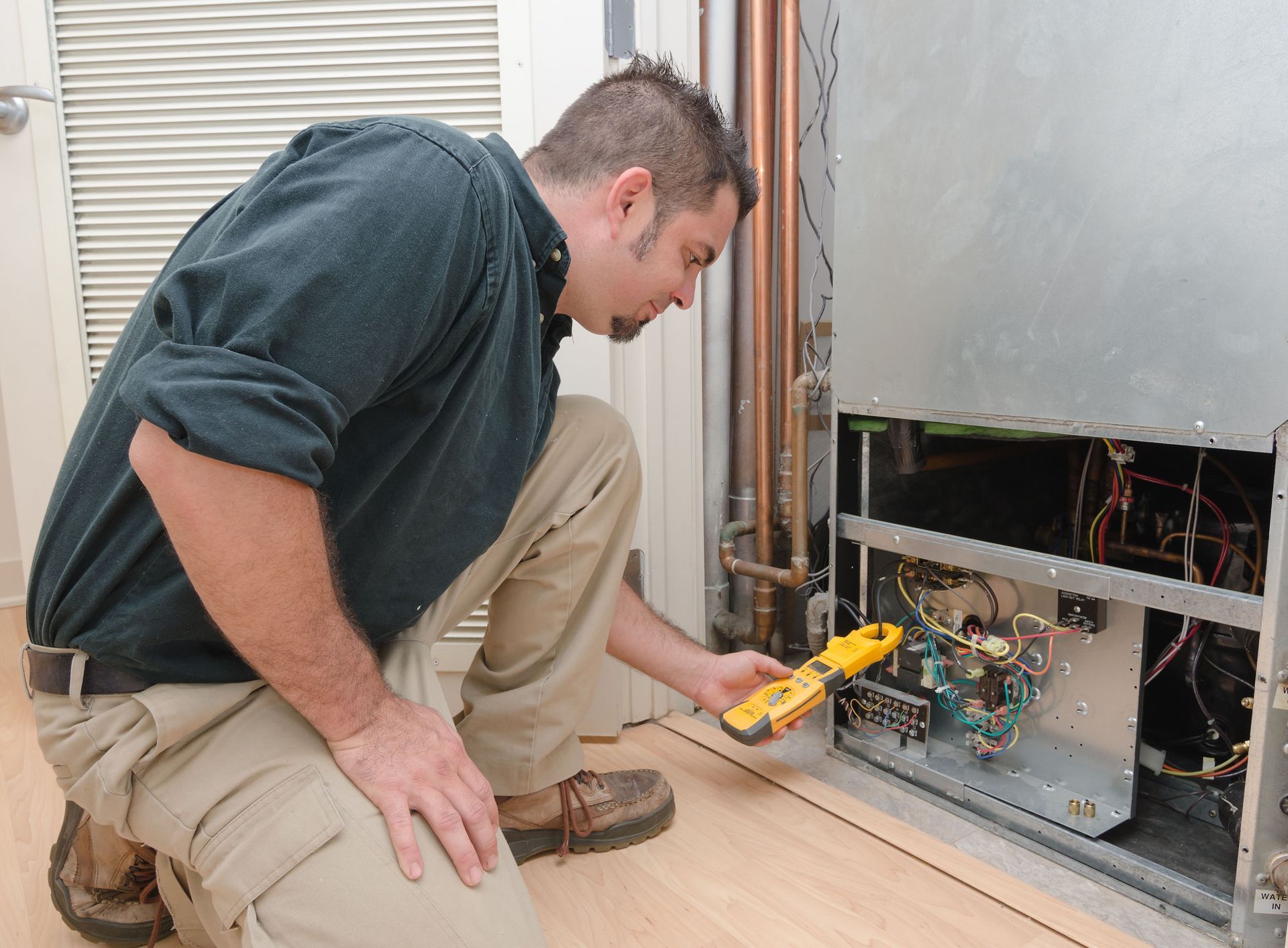
Licensed technicians must calculate total electrical load requirements before placing modern equipment into service. If the main electrical box lacks sufficient open breaker slots or ampacity limits, homeowners must hire credentialed electricians to install subpanels or upgrade main service entry lines. Accounting for necessary electrical panel upgrades within your overall HVAC installation budget ensures that your new equipment receives safe, stable power while protecting your home from dangerous circuit overloads.
Modifying Deteriorated Air Ductwork and Sealing Leaky Seams
Modifying deteriorated ductwork systems and sealing leaky seams represents another significant, often overlooked expense during equipment replacements. Even the most technologically advanced climate control unit cannot deliver expected energy savings or comfort levels if air distribution ducts are crushed, improperly sized, or uninsulated. Leaky ductwork allows conditioned air to escape into unconditioned attics or crawlspaces, forcing fresh equipment to run continuously at full capacity while driving up monthly electrical bills.
Before installing fresh mechanical units, technicians must perform airflow diagnostic tests, clean internal duct surfaces, seal loose connection joints, and re-engineer undersized return air vents. In many older residences, duct systems must be completely redesigned or replaced to accommodate the higher airflow requirements of high-efficiency variable-speed equipment. Including comprehensive air distribution repairs within your initial HVAC installation project guarantees balanced room temperatures, quiet airflow, and maximum operational efficiency throughout your entire home.
Securing Municipal Building Permits and Scheduling Required Inspections
Securing official municipal building permits and scheduling mandatory code compliance inspections adds administrative processing fees to total project investments. Municipal building departments enforce strict mechanical, electrical, and environmental safety codes governing residential heating, ventilation, and air conditioning equipment replacements. Local regulations require licensed contractors to pull formal permits before disconnecting old equipment, modifying refrigerant lines, or running fresh electrical wiring.
Failing to secure required permits can result in costly municipal fines, voided equipment manufacturer warranties, and serious complications when attempting to sell your property in the future. Following physical installation, municipal building inspectors must visit the property to verify proper wiring connections, safety switch operations, and compliant refrigerant handling. Factoring official permit charges and inspection scheduling into your overall HVAC installation plan guarantees full legal compliance, protects property value, and ensures long-term operational safety for your household.
Processing Refrigerant Management and Safely Disposing Old Equipment
Processing hazardous refrigerant recovery and safely disposing of heavy, obsolete mechanical units incurs specialized environmental and hauling expenses. Federal environmental protection regulations mandate that legacy chemical refrigerants must be recovered completely using specialized vacuum equipment to prevent toxic emissions from entering the atmosphere. Certified technicians must carefully extract old refrigerants into approved containment tanks before unhooking copper line sets.
Furthermore, removing massive metal furnaces, heavy outdoor condensing units, rusty mounting brackets, and old metal ductwork requires specialized hauling equipment and landfill tipping fees. Recycling centers enforce strict processing protocols for hazardous materials, requiring contractors to pay dedicated disposal fees for each decommissioned unit. Working with a certified contractor who includes proper chemical recovery and environmentally responsible recycling within their HVAC installation package guarantees compliance with federal environmental laws while keeping heavy debris out of local landfills.
Analyzing Long-Term Energy Consumption and Utility Bill Impacts
Analyzing ongoing energy consumption dynamics highlights the economic importance of selecting correctly sized, high-efficiency mechanical systems. Operating heating and cooling equipment accounts for a massive portion of overall household energy usage, making system efficiency critical to long-term monthly utility budgets. According to the US Department of Energy, air conditioners use about 12% of the electricity in U.S. households, with costs varying by location.
Installing an improperly sized unit—whether too large or too small for your home's unique square footage—drastically increases monthly electrical expenses and accelerates mechanical equipment wear. Oversized units cycle on and off rapidly, failing to remove interior humidity while consuming massive spikes of starting current. Conversely, undersized equipment runs continuously without reaching set thermostat temperatures. Partnering with experienced professionals who execute precise manual heat load calculations prior to HVAC installation guarantees optimal system sizing, controlled energy usage, and manageable utility bills year after year.
Installing Advanced Smart Thermostats and Zoning Control Systems
Installing modern smart thermostats, indoor air quality filtration setups, and electronic zoning control systems introduces optional, high-value technical features that impact initial project totals. Basic manual thermostats cannot unleash the advanced features of modern variable-speed, multi-stage heating and cooling equipment. To achieve maximum energy savings, homeowners must upgrade to intelligent, Wi-Fi-connected control centers that monitor indoor humidity, adjust airflow automatically, and allow remote mobile control.
At Quality Heating & Air LLC, we are deeply committed to enhancing your home’s indoor comfort, optimizing your energy efficiency, and delivering superior climate control solutions through master craftsmanship, premium equipment, and dedicated customer care. Our team of certified HVAC specialists brings extensive technical expertise, advanced diagnostic tools, and meticulous attention to detail to every central air conditioning replacement, heat pump installation, furnace repair, ductwork optimization, and routine maintenance service we execute across our community. We take immense pride in evaluating your home's unique square footage, analyzing existing electrical capacity, inspecting ductwork integrity, and executing flawless system installations that bring total temperature control, quiet operation, and lower energy bills to your living space. Furthermore, our company prioritizes transparent pricing, clear communication, clean jobsite management, and exceptional service performance from initial consultation through final system walkthroughs. We carefully inspect every electrical connection, refrigerant charge level, duct seal, and thermostat setting to guarantee maximum operational efficiency, complete safety compliance, and total homeowner satisfaction. Contact us today to schedule your comprehensive heating and cooling consultation and discover the true value of working with dedicated local HVAC specialists.
Share On: