
Why HVAC Service is Essential for Year-Round Comfort
Comfortable indoor temperatures are important throughout the year, whether summer brings intense heat or winter introduces chilly mornings. Heating and cooling equipment works to regulate indoor conditions, but reliable performance depends on more than adjusting a thermostat. Filters collect dust, mechanical components experience wear, and airflow can change as equipment ages. Without routine attention, small problems may reduce comfort and eventually interrupt operation. Scheduling professional HVAC service gives homeowners an opportunity to address these concerns early. Regular inspections, cleaning, adjustments, and timely repairs can help equipment respond effectively to seasonal demands. Understanding the benefits of consistent system maintenance can make it easier to plan for comfortable living spaces year-round.
1. Maintaining Consistent Indoor Temperatures
Uneven temperatures can make a home uncomfortable despite thermostat settings. One room may feel warm while another remains noticeably cooler. Dirty filters, restricted vents, aging components, or poorly balanced airflow can contribute to these differences. Identifying the cause is important because changing thermostat settings alone may not resolve the underlying issue.
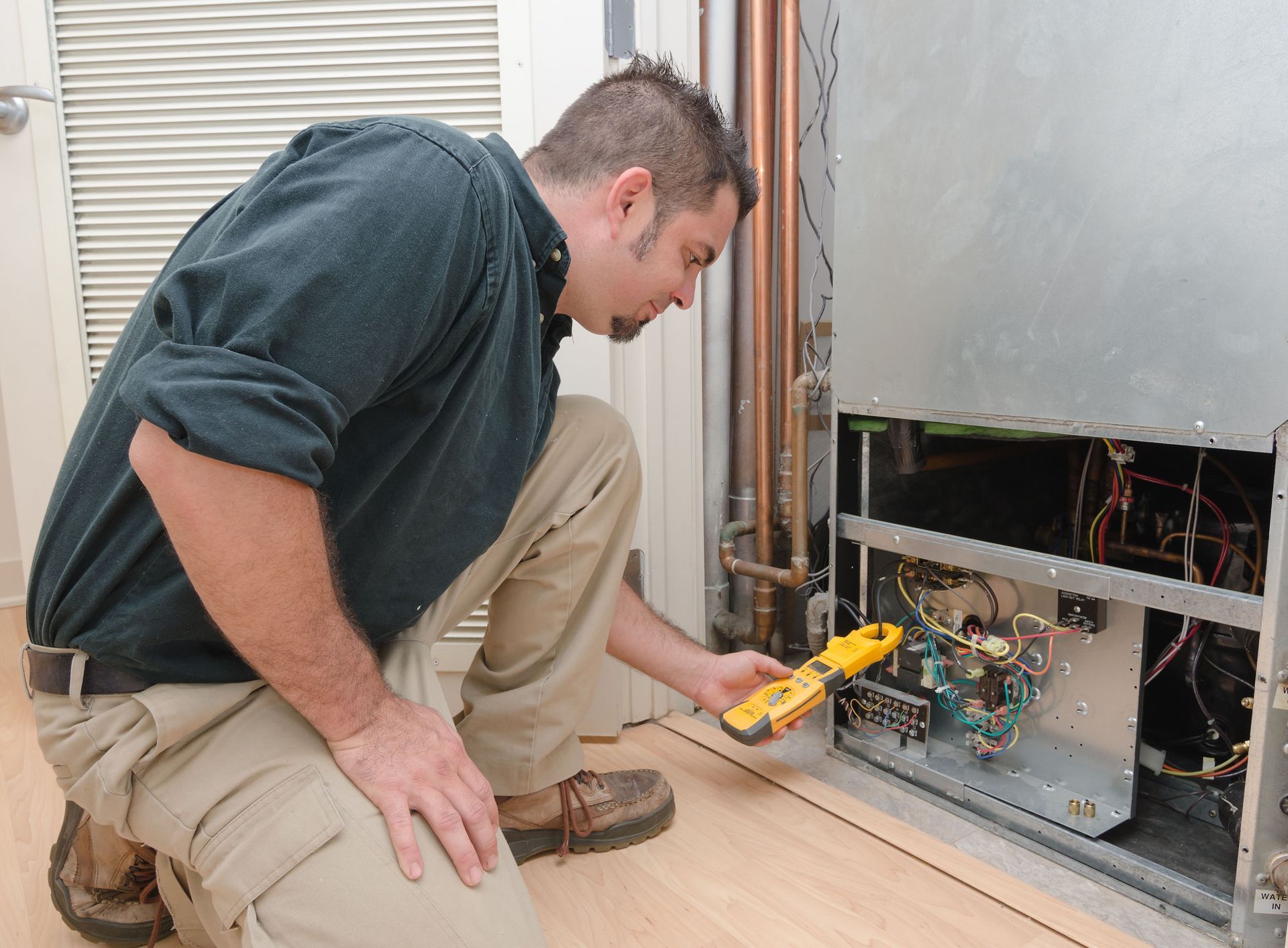
During a professional HVAC service appointment, a technician can inspect accessible components, evaluate system operation, and look for conditions that interfere with temperature control. Recommendations may involve replacing filters, correcting airflow restrictions, or addressing equipment problems. Consistent attention supports more predictable temperatures and makes daily activities more comfortable. It can also help households avoid repeatedly adjusting the thermostat to compensate for rooms that never seem to reach the desired setting.
2. Preparing Equipment for Seasonal Changes
Heating and cooling systems face different demands as outdoor temperatures change. An air conditioner that performs well during mild spring weather may struggle during a prolonged summer heat wave. Similarly, heating equipment that has been idle for months may need attention before cold weather arrives. Waiting until the first extreme day to check equipment can leave homeowners dealing with an unexpected breakdown.
Seasonal maintenance gives technicians an opportunity to examine system condition before heavy use begins. They may inspect electrical connections, test operating controls, clean appropriate components, and look for developing mechanical concerns. Scheduling HVAC service ahead of peak heating and cooling seasons can also make it easier to arrange repairs. A proactive approach helps homeowners enter each season with a clearer understanding of their equipment's condition. It also creates an opportunity to ask questions about unusual sounds or changes noticed during the previous season.
3. Supporting Better Indoor Air Quality
Indoor comfort involves more than temperature. Airborne dust, pollen, pet dander, and other particles can circulate through a home's ventilation system. Filters capture some of these materials, but clogged filters may restrict airflow and reduce system performance. Dust buildup around registers or accessible equipment can also indicate that cleaning or maintenance deserves attention. Because indoor air conditions vary between households, there is no single solution that works for every property.
Routine HVAC service can include checking filters, examining accessible airflow pathways, and discussing filtration options appropriate for the system. Technicians may recommend a filter replacement schedule based on household conditions and equipment specifications. Homeowners should also address moisture sources and maintain reasonable ventilation where appropriate. These steps can support cleaner indoor conditions.
4. Improving Energy Use and Operating Efficiency
Heating and cooling can represent a substantial part of household energy use, especially during periods of extreme weather. When a system operates with restricted airflow, dirty components, or malfunctioning controls, it may work longer than necessary to maintain the desired temperature. Higher utility bills can sometimes signal reduced efficiency, although weather and household habits also affect costs.
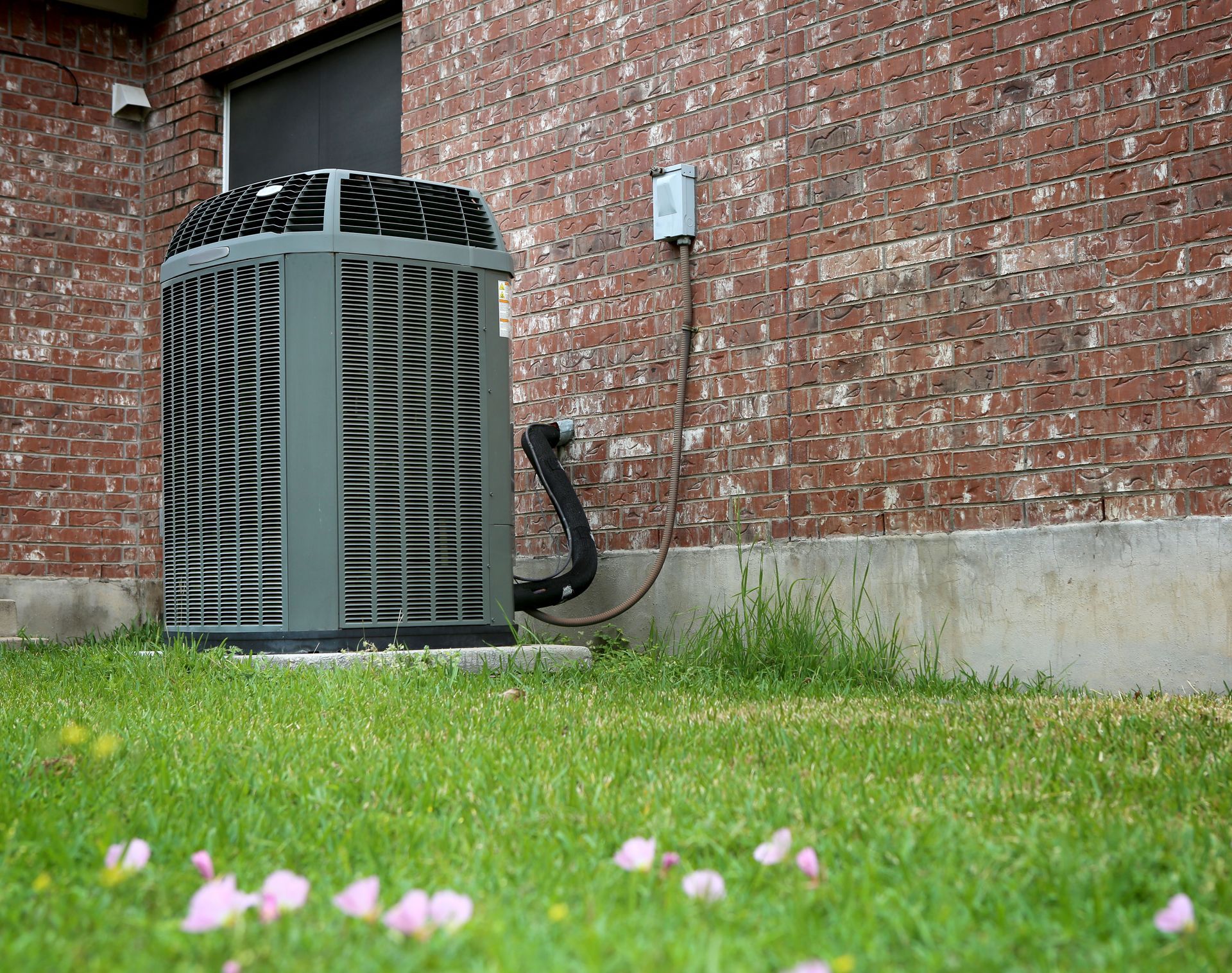
Professional maintenance can help identify issues that affect energy performance. A technician may check airflow, inspect equipment condition, and verify that controls respond appropriately. Homeowners can contribute by replacing filters as recommended, using sensible thermostat settings, and keeping outdoor equipment clear of debris. These practices can help limit avoidable waste.
5. Identifying Problems Before Major Breakdowns
Many equipment failures begin with smaller warning signs. Unusual noises, short operating cycles, weak airflow, or inconsistent heating and cooling may indicate a component needs attention. Ignoring these changes can allow the underlying problem to worsen. A minor concern may eventually interrupt service or require more extensive repairs.
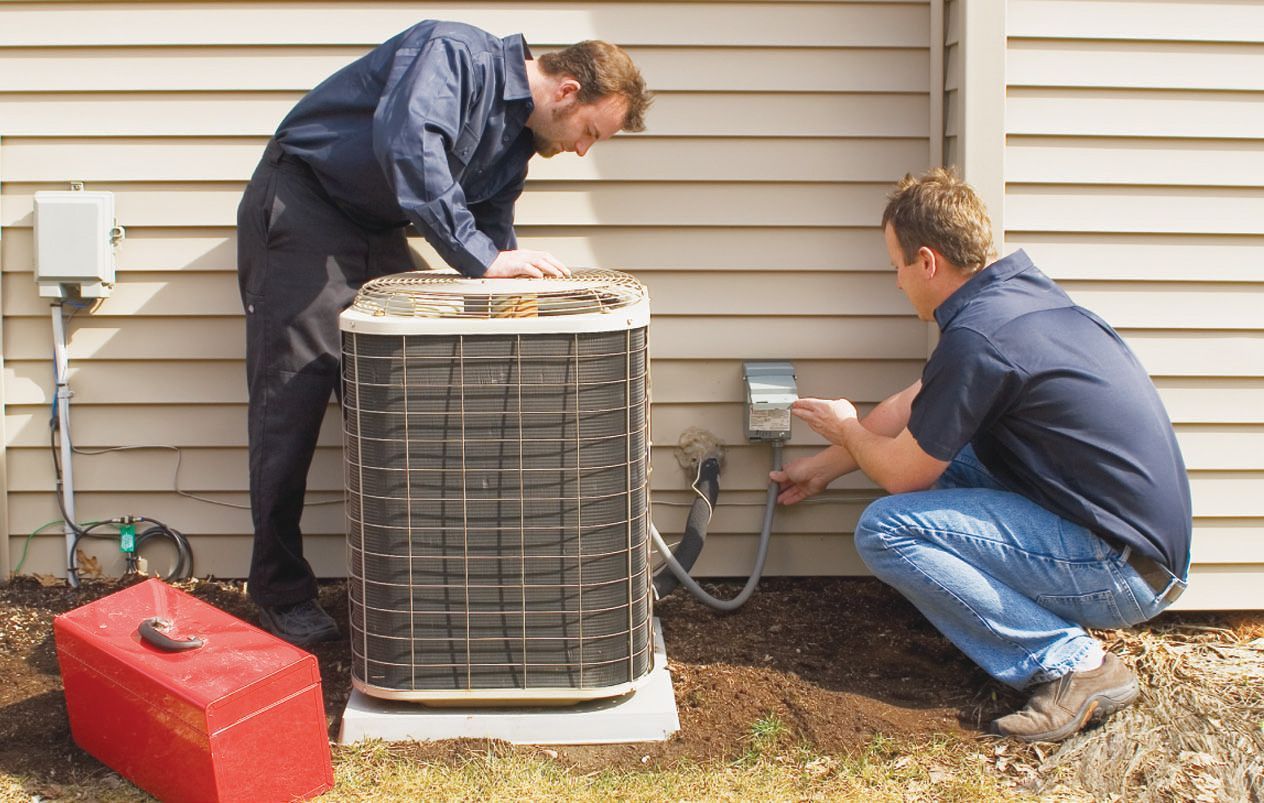
Regular HVAC service provides an opportunity to discuss unusual symptoms and have a qualified technician investigate them. Inspection findings may reveal worn parts, drainage issues, electrical concerns, or other conditions requiring correction. Not every problem can be predicted. However, identifying developing concerns early can give homeowners more time to consider repair options and reduce the inconvenience of unexpected interruptions.
6. Protecting Equipment and Extending Useful Life
Heating and cooling equipment represents a meaningful household investment. Over time, repeated operation places stress on motors, fans, electrical parts, and other components. Dust accumulation and neglected maintenance can add to that stress. Although every system eventually reaches the end of its useful life, proper operation and attention to manufacturer recommendations can help homeowners get more dependable use from existing equipment.
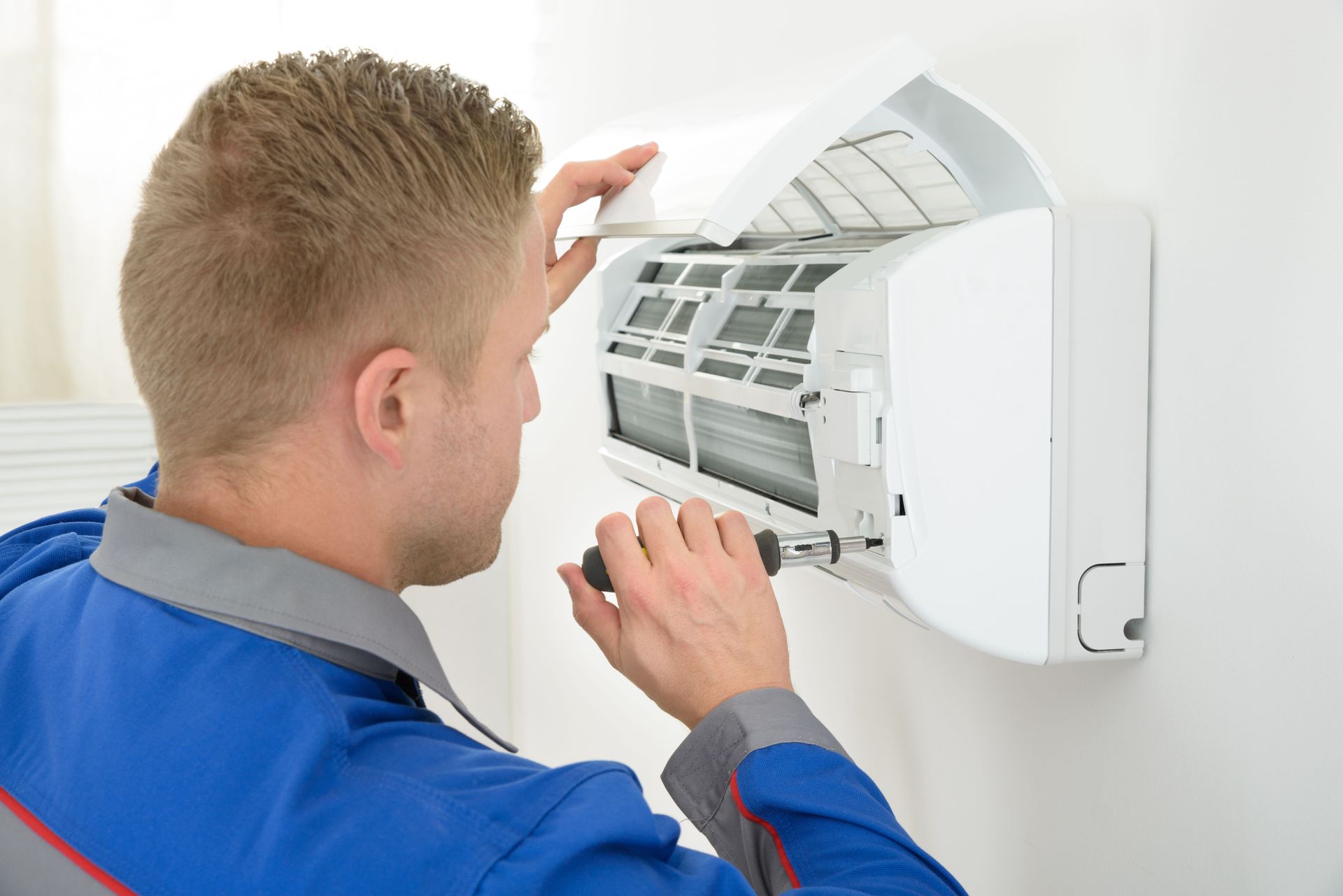
A technician performing HVAC service can assess visible wear, review operating concerns, and recommend maintenance suited to the system's age and design. Keeping records of inspections and repairs also helps homeowners recognize recurring issues and plan future expenses. When repair costs begin increasing, a professional can explain whether continued maintenance or replacement deserves consideration. This information supports practical decisions.
7. Strengthening Household Safety and Reliability
Heating and cooling systems contain electrical components and, in some homes, fuel-burning equipment. Problems involving wiring, combustion, venting, or drainage may require prompt professional attention. Certain warning signs, such as a persistent burning smell or a carbon monoxide alarm, should never be dismissed as ordinary maintenance concerns. Homeowners should follow appropriate safety guidance and seek qualified assistance when potentially hazardous conditions arise.
Routine inspections can help technicians identify accessible safety-related issues and confirm that equipment operates as intended. For fuel-burning systems, relevant checks may include examining venting and combustion-related components according to equipment requirements. Homeowners should maintain functioning carbon monoxide detectors where recommended and avoid attempting repairs beyond their expertise. Professional attention supports safer operation, although it cannot replace household safety precautions.
8. Planning Maintenance With Greater Confidence
Unexpected heating or cooling problems can disrupt household routines and complicate budgeting. A sudden failure may require urgent scheduling, while a neglected issue can create uncertainty about repair costs. Having a maintenance plan makes it easier to track equipment condition, anticipate seasonal appointments, and respond to recommendations before circumstances become pressing. It also provides a consistent point of contact for questions about system performance.
Homeowners arranging HVAC service can ask what an inspection includes, how frequently their particular equipment should be checked, and which maintenance tasks they can safely handle themselves. Keeping a record of filter changes, service visits, and repairs creates a useful history for future decisions. According to This Old House, in 1902, William Carrier developed the world's first air conditioning system. Modern systems still benefit from consistent maintenance. Understanding how equipment has evolved can also remind homeowners that even sophisticated controls and components need periodic professional attention to function properly.
Year-round comfort depends on heating and cooling equipment that responds reliably to changing conditions. Regular maintenance can support consistent temperatures, healthier airflow, efficient operation, and earlier identification of mechanical concerns. It also gives homeowners an opportunity to prepare for seasonal demands and make informed decisions about repairs or replacement. Every household has different comfort needs, and the right maintenance schedule depends on equipment type, age, usage, and manufacturer guidance. Paying attention to warning signs and arranging qualified inspections can reduce uncertainty and make indoor comfort easier to manage. Whether a system needs routine attention or an evaluation of an ongoing problem, professional guidance can help homeowners understand the available options. For dependable heating and cooling maintenance, repairs, and year-round comfort solutions, contact Quality Heating & Air LLC today.
Share On: