
How HVAC Companies Can Help Improve Energy Efficiency
Energy efficiency means using less energy to maintain the same level of comfort and performance. In HVAC systems, this involves optimizing heating, cooling, and ventilation while minimizing unnecessary energy consumption. HVAC companies help homeowners and businesses identify opportunities to improve efficiency through modern equipment, professional services, and system upgrades.
Heating and cooling account for a significant portion of residential and commercial energy use. According to the U.S. Department of Energy, about two of every three American homes have central air conditioning systems. This widespread usage demonstrates how much of an impact efficient equipment can have on overall energy consumption. More efficient systems can also reduce utility expenses and greenhouse gas emissions.
Several measurements help determine HVAC efficiency. Seasonal Energy Efficiency Ratio (SEER), Energy Efficiency Ratio (EER), and Heating Seasonal Performance Factor (HSPF) allow consumers to compare equipment. Higher ratings generally indicate better energy performance. HVAC companies can explain these ratings and help customers select equipment that meets their needs.
Identifying Common HVAC Energy Inefficiencies
Several problems can prevent heating and cooling systems from operating efficiently. Outdated equipment, improper system sizing, poor insulation, and damaged ductwork can contribute to unnecessary energy consumption. When conditioned air escapes through duct leaks or equipment struggles to maintain temperatures, energy costs can increase.
Poor airflow and inefficient temperature controls can also create problems. Blocked ventilation, dirty components, and outdated thermostats may cause systems to work harder than necessary. HVAC companies can evaluate these conditions and recommend appropriate repairs or improvements.
Exploring Innovative HVAC Technologies
Modern HVAC technology offers several opportunities to improve energy efficiency. High-efficiency heating and cooling units are designed to deliver consistent performance while consuming less electricity or fuel. These systems often incorporate advanced compressors, improved heat exchangers, and variable-speed components.
Smart thermostats have also changed how homeowners and businesses manage indoor temperatures. These devices allow users to establish schedules, monitor system activity, and adjust settings remotely. Some models can learn household preferences and automatically modify temperatures to reduce unnecessary heating and cooling.
Variable-speed technology provides another important improvement. Unlike traditional equipment that operates at limited speeds, variable-speed systems adjust their output to match changing indoor conditions. This helps maintain consistent temperatures, reduce energy consumption, and minimize unnecessary wear on components.
Heat recovery systems can further improve efficiency, particularly in commercial buildings. These systems capture heat that would otherwise be wasted and redirect it to support heating demands. Renewable energy integration, including solar and geothermal technology, can also complement conventional HVAC equipment and reduce dependence on traditional energy sources.
Improving Efficiency Through Professional Installation
Professional installation is essential for achieving the full efficiency potential of HVAC equipment. Even advanced systems can waste energy when incorrectly sized, poorly connected, or improperly configured. Experienced technicians evaluate building characteristics, heating and cooling requirements, and ventilation needs before recommending equipment.
Correct system sizing is particularly important. An oversized unit may cycle on and off too frequently, while an undersized system may run continuously without maintaining comfortable temperatures. Both situations can increase energy consumption and place unnecessary strain on equipment.
Proper ductwork connections, refrigerant levels, and airflow settings also influence performance. HVAC companies have the training and equipment needed to verify that installations meet manufacturer specifications. Professional installation helps establish reliable operation while reducing avoidable efficiency problems.
Maintaining HVAC Systems for Better Performance
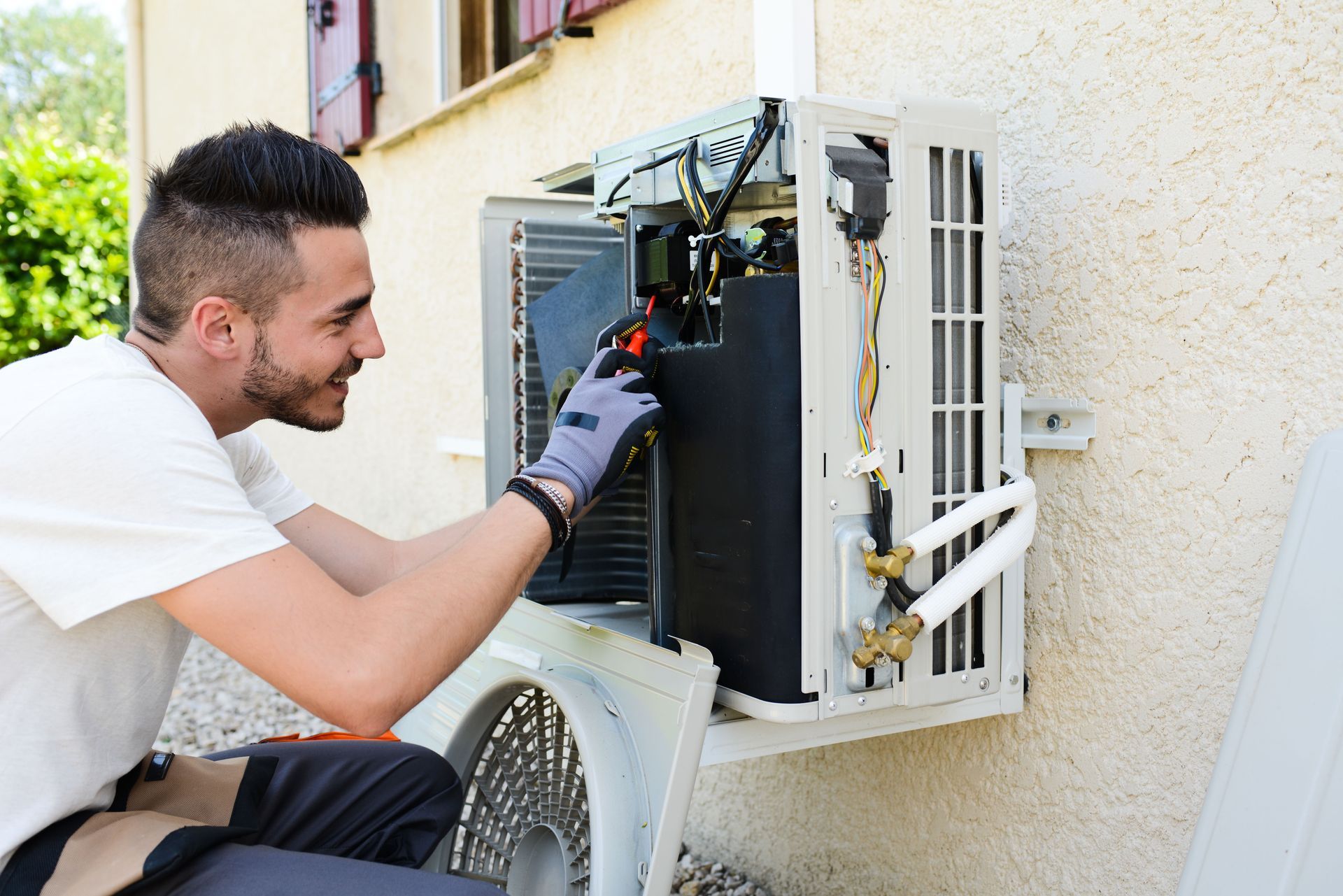
Routine professional maintenance helps preserve HVAC efficiency. Over time, dust accumulation, worn components, refrigerant problems, and restricted airflow can affect system performance. Scheduled inspections allow technicians to identify developing issues before they cause significant energy losses or expensive repairs.
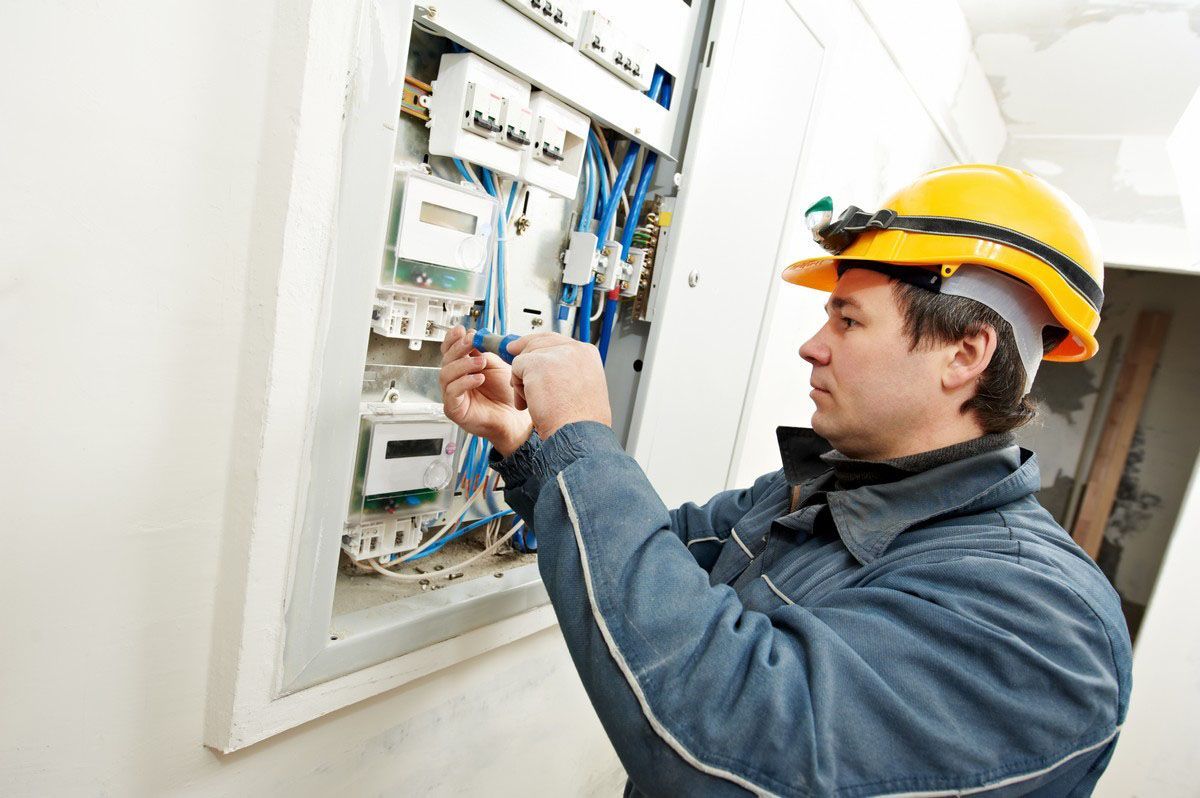
Maintenance appointments typically involve inspecting electrical connections, evaluating system operation, and examining important mechanical components. Technicians may also identify ductwork problems or other conditions that prevent conditioned air from reaching the intended spaces. Addressing these concerns helps equipment operate more effectively.
Preventative maintenance can also extend the useful lifespan of heating and cooling equipment. HVAC companies can establish maintenance schedules based on equipment age, usage patterns, and manufacturer recommendations. Regular professional attention helps protect equipment performance and reduce unexpected breakdowns.
Upgrading Existing HVAC Equipment
Replacing an entire HVAC system is not always necessary to improve energy efficiency. In many situations, targeted upgrades can help older equipment operate more effectively. HVAC companies can inspect existing systems and recommend improvements based on equipment condition and energy consumption.
Upgrades may include modern thermostats, improved controls, more efficient motors, or replacement of outdated components. These improvements can help regulate temperatures more accurately and reduce unnecessary energy use. They may also improve indoor comfort.
For properties with aging equipment, replacing an inefficient unit may provide greater long-term benefits than continuing to repair it. Modern systems often offer improved efficiency ratings and advanced operating features. A professional evaluation can help determine whether repairs, upgrades, or complete replacement make the most financial sense.
Property owners should compare installation expenses with potential energy savings, equipment lifespan, and maintenance requirements. HVAC companies can explain these factors and help customers evaluate available options.
Understanding Energy Rebates and Incentives
Financial incentives can make energy-efficient HVAC improvements more accessible. Federal, state, and local programs may offer tax credits or rebates for qualifying equipment and upgrades. These opportunities can reduce initial expenses and encourage property owners to invest in efficient heating and cooling solutions.
Eligibility requirements vary depending on the program, equipment specifications, and property location. HVAC companies can help customers identify potentially qualifying equipment and understand available incentives. Lower utility expenses and improved comfort can provide additional long-term benefits.
Educating Customers About Energy Efficiency
Customer education is an important part of improving HVAC efficiency. Property owners who understand how their systems operate are better equipped to make informed decisions about equipment, maintenance, and energy consumption. HVAC companies can explain available technologies and recommend improvements based on individual property needs.
Professional recommendations can also help customers understand how equipment ratings, system age, and building conditions influence energy use. Reviewing utility expenses and equipment performance may reveal additional opportunities for improvement. This information helps property owners make practical decisions about their heating and cooling systems.
Following Energy Regulations and Industry Standards
Government regulations influence the development and installation of energy-efficient HVAC equipment. Minimum efficiency requirements encourage manufacturers to improve their products while helping consumers compare available systems. Compliance with applicable standards is also important for ensuring equipment operates safely and effectively.
Energy Star certification provides another way to identify qualifying energy-efficient products. Equipment carrying this certification meets established efficiency criteria and can help consumers evaluate their options. HVAC companies can explain product ratings and recommend systems that align with customer priorities.
As technology and regulations continue to evolve, HVAC companies must stay informed about industry requirements and equipment advancements. Ongoing technician training helps ensure customers receive professional recommendations and services.
Choosing HVAC Companies That Prioritize Efficiency
Selecting an experienced HVAC provider can make a meaningful difference in system efficiency. Qualified professionals understand how equipment selection, installation quality, and ongoing maintenance influence energy consumption. They can evaluate existing systems and recommend improvements based on a property's specific requirements.
Customers should look for companies that offer thorough system evaluations, transparent recommendations, and professional installation services. A knowledgeable provider should be able to explain equipment ratings, available upgrades, and potential long-term savings. Working with dependable HVAC companies also makes it easier to maintain equipment and address problems before they become more serious.
Professional installation, routine maintenance, equipment upgrades, and customer education all contribute to more efficient heating and cooling. These services can reduce unnecessary energy consumption while helping properties maintain comfortable indoor environments.
Property owners interested in lowering energy costs can benefit from working with knowledgeable professionals. Quality Heating & Air LLC can help customers evaluate their heating and cooling needs, explore equipment options, and identify opportunities to improve system performance. Contact Quality Heating & Air LLC to discuss professional HVAC services and take the next step toward a more energy-efficient property.

Share On: