
How to Maximize the Lifespan of Your HVAC System
Maintaining a climate control system is vital for enhancing its operational longevity, improving daily indoor comfort, and curbing unnecessary expenses on severe repairs and premature replacements. A well-managed heating and cooling setup not only saves significant amounts of money over time but also contributes positively to the surrounding environment by reducing overall household energy consumption. Regular checkups, timely filter updates, and mindful operational usage habits contribute substantially to optimal functioning, ultimately leading to a prolonged and reliable operational lifespan for every major internal component. Economic benefits from hiring an HVAC contractor remain substantial throughout the life of the unit, providing steady, predictable savings on monthly utility bills while simultaneously diminishing the continuous mechanical stress that frequently leads to sudden component failures during extreme weather seasons.
Environmentally, a properly functioning climate system reduces total carbon emissions by operating with minimal energy waste across every month of the year. As consumers become increasingly conscious of their ecological footprint, committing to routine system maintenance represents a highly practical and effective step toward sustainable living. Establishing a structured upkeep routine ensures that every individual mechanical part works harmoniously without creating unnecessary friction, excessive heat buildup, or severe structural strain. Systematic oversight represents an essential long-term investment in overall home comfort, successfully safeguarding your financial resources while ensuring quiet, efficient, and dependable performance throughout the entire calendar year.
Scheduling Regular Inspections
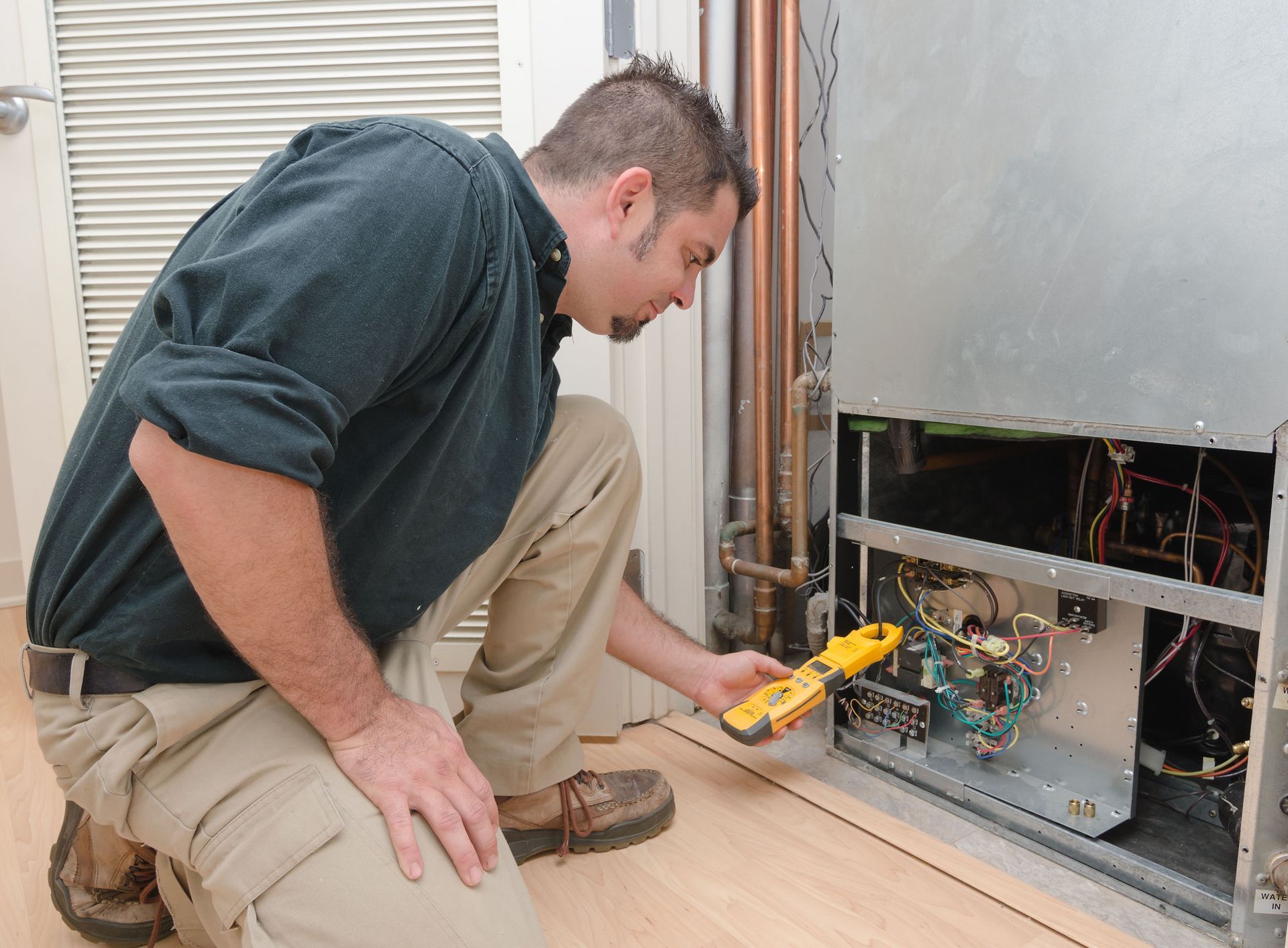
Partnering with a certified HVAC contractor to conduct detailed annual system evaluations stands as one of the most effective strategies for preserving overall equipment health. These comprehensive diagnostic checkups identify minor mechanical issues before they can escalate into severe functional failures, massive system overhauls, or complete operational shutdowns. Professional technicians possess the precise tools and diagnostic training needed to assess electrical connections, measure fluid levels, calibrate thermostats, and inspect internal moving parts to guarantee optimal performance under maximum loads. By adhering strictly to a scheduled evaluation plan, homeowners can routinely avoid unexpected mid-season breakdowns and ensure their environmental control equipment operates at maximum output and top thermal efficiency every day.
Addressing necessary repairs rapidly prevents small operational glitches from spreading damaging stress through the entire mechanical assembly. Waiting to fix a malfunction can lead to costly repairs and reduce the system's efficiency. Most HVAC contractors, according to Thumbtack, can fix your air conditioning in one day or less, allowing for quick restoration of comfort. Timely repairs extend the system's life by preventing more severe wear and tear. Maintaining a responsive approach to repairs ensures that the HVAC system remains in peak condition throughout its lifespan.
Understanding Core Components
Central heating and air conditioning systems rely on several interconnected mechanisms that perform specific critical functions during the ongoing thermal exchange process. The compressor moves chemical refrigerant throughout the closed loop under heavy pressure, while the external condenser coil releases absorbed interior heat out into the outside atmosphere. Meanwhile, the indoor evaporator coil absorbs ambient heat from interior room air, creating a balanced, cool, and exceptionally comfortable domestic living environment. Recognizing how these distinct mechanical parts interact helps property owners spot performance inconsistencies early, successfully preventing localized stress or component failures from damaging adjacent mechanical assemblies over extended periods.
Recognizing early indicators of daily wear allows for proactive interventions that protect total equipment integrity against catastrophic damage. Common warning signs include strange grinding or squealing noises, significantly reduced air velocity coming from vents, rapid short cycling, and unexpected spikes in monthly energy utility usage. When these symptoms begin to appear, scheduling immediate professional diagnostic services prevents costly secondary damage to critical internal components. Upgrading aged elements or deciding on targeted repairs depends heavily on overall system age, historical performance data, and prospective energy savings, ensuring balanced decision-making between immediate repair expenses and long-term utility bill savings.
Optimizing Operational Habits
Establishing efficient temperature settings plays a vital role in reducing daily mechanical workloads and conserving valuable electrical energy across every season. Setting modest, achievable indoor targets during peak summer heat or severe winter cold minimizes continuous operational cycles and prevents the motor from running nonstop. Utilizing programmable or smart thermostats further automates domestic temperature management, dynamically adjusting interior climates based on daily family occupancy schedules and sleeping habits. These intelligent control devices ensure that precious energy is never wasted on completely unoccupied rooms, relieving unnecessary mechanical strain while maintaining consistent household comfort whenever occupants are present.
Minimizing internal heat sources and upgrading structural home insulation further supports overall climate control efficiency. Sealing lingering air leaks around window frames, entry doors, and hidden ductwork joints retains conditioned air far longer, dramatically reducing how often heating and cooling cycles must initiate. Reducing internal heat loads by utilizing energy-efficient LED lighting and running heat-generating laundry or kitchen appliances during cooler evening hours lightens the system's operational burden. Combined with proper ventilation practices that clear stale air and balance indoor static pressure, these simple everyday habits significantly extend total equipment lifespan.
Managing Air Quality
Selecting appropriate air filtration media directly influences internal mechanism cleanliness, overall system longevity, and daily indoor air quality. Standard fiberglass filters capture only large airborne debris, whereas high-efficiency pleated options trap microscopic dust, pollen, mold spores, and pet dander long before they can enter sensitive ductwork. Having an HVAC contractor check filter conditions on a strict monthly schedule and replacing them consistently prevents severe airflow restrictions that force blower motors to work excessively hard. Unrestricted airflow preserves optimal thermal transfer across sensitive evaporator coils, drastically lowering daily energy demands while protecting delicate motor bearings from premature physical exhaustion.
Regulating indoor relative humidity levels is equally critical for preventing excess operational strain on interior climate equipment. High humidity forces cooling equipment to expend significant electrical energy extracting moisture from the air rather than efficiently lowering ambient room temperatures. Integrating dedicated whole-house dehumidifiers or advanced climate control humidity management tools optimizes internal operational conditions, allowing interior units to work efficiently without enduring excessively long run times.
Adapting to Environments
External climate conditions heavily influence total operational demands and dictate specific seasonal maintenance priorities for property owners. Systems operating in regions with harsh environments, intense humidity, or extreme temperature swings endure far greater mechanical stress, requiring much more frequent diagnostic oversight and cleaning. Tailoring maintenance tasks to distinct seasonal changes, such as clearing outdoor condenser units of accumulated spring pollen or inspecting heating elements long before winter cold sets in, minimizes unexpected failure risks. Proper seasonal preparations ensure that mechanical assemblies transition smoothly between demanding summer cooling and heavy winter heating cycles.
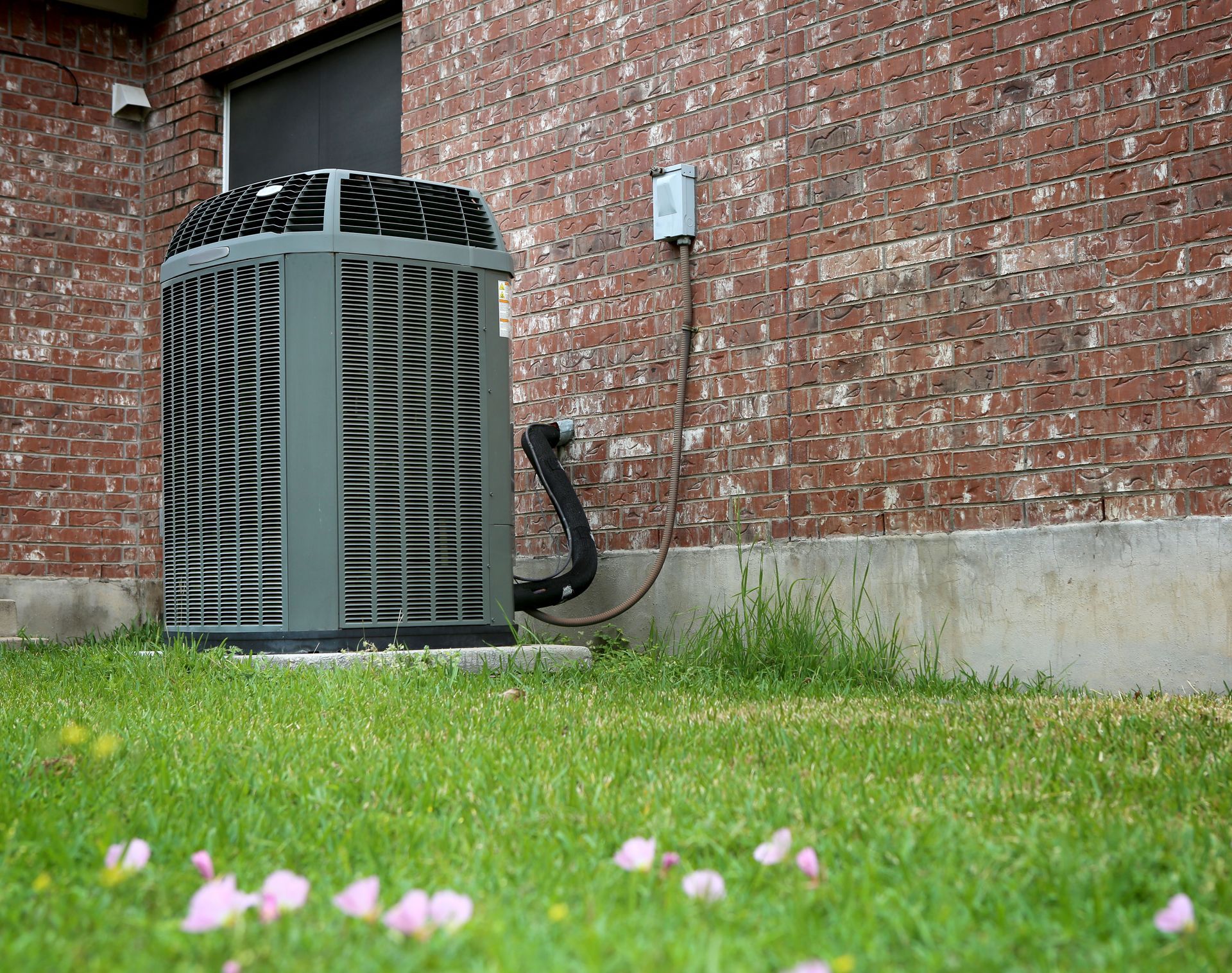
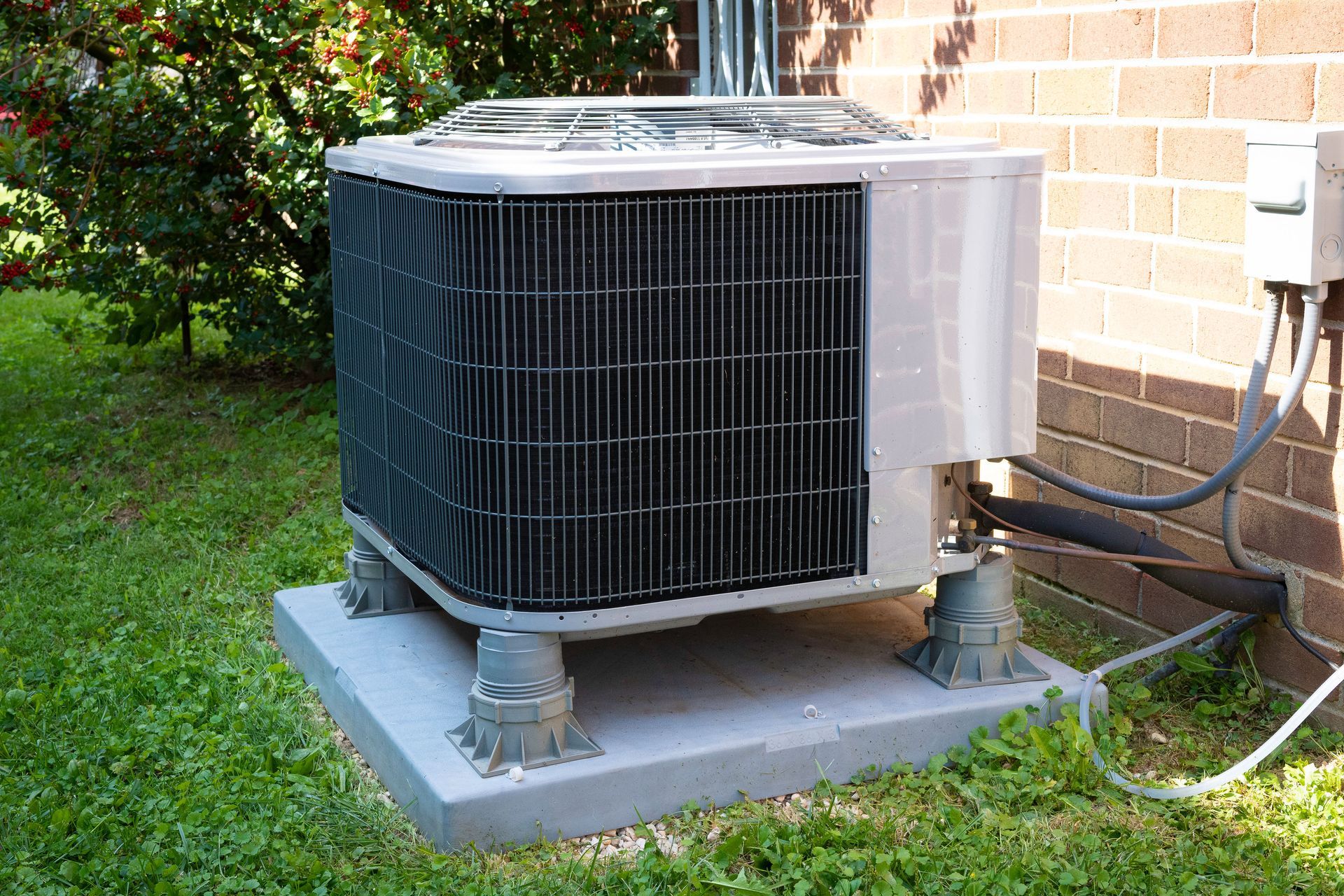
Protecting outdoor condenser cabinets from accumulating yard debris, falling leaves, lawn clippings, and harsh winter weather elements is essential for maintaining proper airflow. Maintaining generous physical clearances around exterior equipment prevents severe airflow blockages that cause compressor overheating and unexpected electrical trips. Incorporating strategic landscaping features, such as providing natural overhead shade without encroaching on essential service access clearance, keeps condenser units noticeably cooler during intense summer afternoons. Utilizing available municipal or utility financial incentives for green energy upgrades further helps offset upfront costs when transitioning to durable, high-efficiency replacement equipment.
Implementing structured routine maintenance habits, adopting mindful everyday operational practices, protecting outdoor hardware against environmental elements, and securing qualified professional services remain essential steps for maximizing total equipment lifespan. Consistent management and care ensure heating and cooling assemblies operate continuously at peak thermal performance while dramatically reducing the frequency of sudden, exceptionally expensive mechanical failures. Applying these comprehensive strategies empowers homeowners to preserve indoor comfort, lower monthly energy utility expenses, and maximize the overall long-term financial return on their home comfort investments.
Establishing a proactive maintenance plan lays a solid, dependable foundation for long-term household energy efficiency and equipment reliability. Engaging a qualified
HVAC contractor through Quality Heating & Air LLC guarantees expert inspection, accurate diagnostic troubleshooting, and superior system care tailored specifically to your home layout. Protecting your substantial mechanical investment requires experienced, certified technicians who understand complex modern climate control systems inside and out. Contact us today to schedule your comprehensive maintenance evaluation and ensure your home stays perfectly comfortable through every changing season of the year.

Share On: