
Why Air Conditioning Problems Account for So Many HVAC Service Calls
Maintaining a comfortable indoor climate during periods of extreme thermal stress relies heavily on the uninterrupted operation of high-capacity residential cooling equipment. Across the mechanical trade industry, emergency repair dispatchers consistently report that air conditioning malfunctions constitute the vast majority of consumer service requests during peak operating months. Unlike heating systems that run intermittently, cooling units operate under immense continuous thermodynamic stress, circulating pressurized refrigerants, managing heavy condensation runoff, and cycling high-voltage electrical components for hours at a time. Understanding the physical forces, environmental variables, and maintenance oversights that drive these frequent service requests empowers property owners to take proactive control of their mechanical infrastructure.
Securing reliable technical oversight from an established local HVAC company remains the single most effective strategy for preventing sudden cooling failures and controlling long-term operational costs. High-performance air conditioning assemblies feature delicate balances between electrical inputs, airflow velocities, and chemical heat transfer processes. When a single mechanical component degrades due to wear or lack of routine cleaning, it creates a compounding ripple effect that stresses the entire refrigeration circuit. Analyzing the core drivers behind frequent cooling system repairs highlights the critical necessity of seasonal tune-ups, expert diagnostic evaluations, and timely component replacements for your home.
Navigating Global Growth and Heavy Operational Stress
The dramatic rise in residential air conditioning adoption over recent decades has fundamentally transformed home comfort expectations and placed unprecedented demand on regional mechanical service networks. Rapid suburban expansion, rising global temperatures, and architectural trends prioritizing extensive glass facades have elevated air conditioning from a seasonal luxury to an essential utility. According to Industry Research, nearly 54% of HVAC repair service calls are related to air conditioning systems. This high concentration of service calls reflects both the sheer volume of installed cooling units and the intense physical workloads these systems endure throughout extended heatwaves.
During peak summer months, residential air conditioners operate near maximum mechanical capacity for prolonged periods, accelerating the natural wear and tear of internal components. Urban environments amplify this operational stress through localized heat-island effects, where concrete structures and asphalt retain thermal energy overnight, preventing cooling units from resting. Continuous high-load operation degrades electrical contactors, strains blower motors, and increases internal compressor pressures. Partnering with a reliable HVAC company allows homeowners to prepare their equipment for these extreme operational demands, ensuring that vital mechanical assets remain functional when outdoor temperatures reach seasonal highs.
Identifying Common Mechanical and Refrigerant Failures
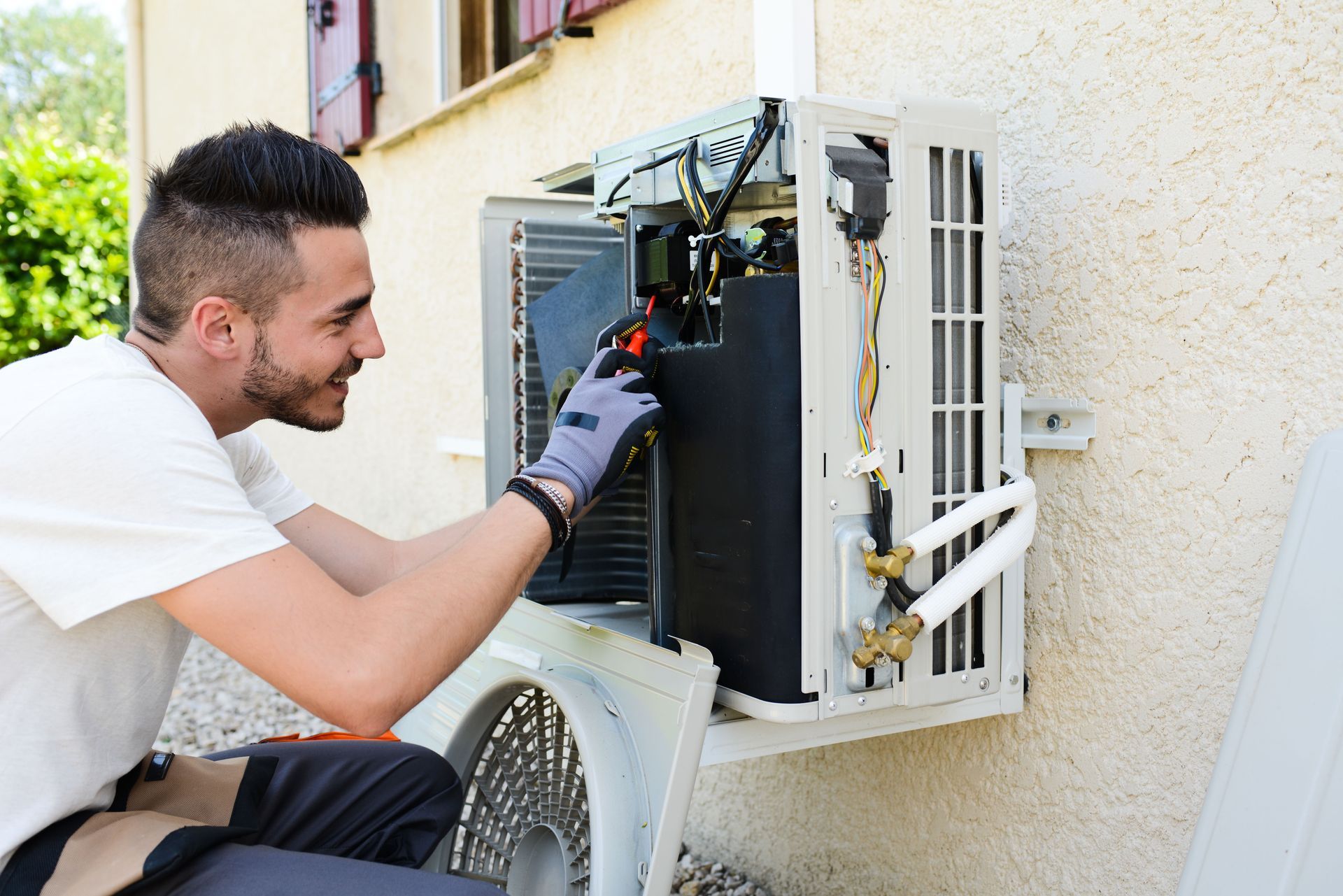
Refrigerant leaks represent one of the primary mechanical failures that prompt emergency service calls to a local HVAC company. Air conditioning systems rely on a closed, pressurized chemical loop to absorb interior heat and reject it outdoors; any loss of refrigerant compromises this thermodynamic cycle. Pinhole leaks caused by formicary corrosion on copper coils lead to reduced cooling capacity, extended run times, and frozen evaporator coils. Operating a system with insufficient refrigerant places extreme thermal stress on the sealed compressor motor, frequently resulting in catastrophic electrical failure if not diagnosed and corrected quickly by certified trade technicians.
Electrical control failures and drainage complications similarly account for a substantial percentage of mid-season repair dispatching. High-voltage capacitor failures, pitted contractor points, and corroded wiring connections can instantly prevent an outdoor condensing unit from starting. Concurrently, cooling systems extract gallons of atmospheric moisture daily, relying on clear condensate drain lines and functional float switches to dispose of wastewater safely. When algae or debris clogs a condensate drain line, standing water threatens to overflow into living spaces, triggering automated safety shut-off switches that halt system operation until a professional HVAC company clears the blockage.
Managing Seasonal Shifts and Environmental Climate Impacts
The abrupt transition from spring shoulder seasons to intense summer heat creates an annual surge in repair requests as dormant cooling systems are suddenly pushed to peak capacity. During mild spring months, subtle electrical degradation, minor refrigerant loss, and accumulated dust deposits often go unnoticed while the system remains idle. Once sustained heatwaves strike, these latent mechanical flaws immediately manifest as severe operational failures, overwhelming local repair schedules. Scheduling early spring tune-ups with a qualified HVAC company allows technicians to identify and resolve subtle component vulnerabilities before the summer rush begins.
Environmental climate zones and winter weather conditions also exert significant physical stress on outdoor cooling equipment. In regions experiencing severe freezing weather, ice accumulation and heavy snow loads can shift outdoor condenser pads, damage aluminum cooling fins, and degrade rubber wiring seals. Furthermore, coastal salt air or high ambient humidity accelerates metal oxidation across exterior cabinets and heat exchangers. Implementing year-round protective care, including winter condenser covers and seasonal inspections, preserves critical mechanical components against environmental decay and extends the operational lifespan of your cooling investment.
Overcoming Technology Integration and Diagnostic Challenges
While modern high-efficiency air conditioners offer superior energy savings and precise climate control, their complex electronic architectures introduce new diagnostic challenges. Legacy single-stage systems relied on simple electromechanical controls, whereas modern variable-speed equipment utilizes complex inverter drives, multi-stage communication boards, and intricate sensor networks. When digital communication errors or voltage spikes occur, diagnosing the root cause requires specialized diagnostic equipment and advanced technical training. Property owners relying on an experienced HVAC company benefit from accurate, software-driven diagnostics that prevent unnecessary, trial-and-error component replacements.
Integrating third-party smart thermostats with existing cooling equipment represents another frequent source of user-reported system malfunctions. Incompatible control wiring, missing common wires, or incorrect firmware configurations can cause short-cycling, erratic blower behavior, or complete system lockouts. Furthermore, strict environmental regulations governing refrigerant types mandate that technicians possess specialized handling certifications and advanced recovery equipment. Navigating these evolving technological and regulatory requirements underscores the importance of securing professional mechanical support rather than attempting uncertified, do-it-yourself modifications on complex cooling assemblies.
Addressing Operator Misunderstandings and Maintenance Neglect
Human factors, including incorrect thermostat programming and basic user misunderstandings, account for a surprising percentage of unnecessary service dispatches. Homeowners frequently set thermostats to unrealistically low temperatures during severe heatwaves, expecting the system to cool the home faster. This practice forces the unit to run continuously without achieving the target temperature, leading to frozen evaporator coils, restricted airflow, and excessive energy consumption. Educating residents on proper thermostat usage and realistic cooling expectations helps prevent artificial system strain and reduces avoidable service calls.
Fundamental maintenance neglect—specifically failing to replace clogged air filters regularly—remains the single largest contributor to preventable mechanical failures. Restricting airflow across an evaporator coil causes internal temperatures to plummet, transforming condensed moisture into solid ice that completely blocks air passage. Operating a system with a frozen coil starves the compressor of necessary cooling, leading to severe mechanical overheating and eventual motor burnout. Establishing routine filter replacement schedules and scheduling annual preventative care with a trusted HVAC company eliminates restricted airflow issues, preserves system efficiency, and protects major components from premature destruction.
Air conditioning systems account for the vast majority of mechanical service calls due to the extreme thermodynamic workloads, intricate electrical components, and delicate fluid dynamics required to cool modern homes. From refrigerant leaks and electrical contactor failures to seasonal climate stress, technological integration challenges, and simple air filter neglect, cooling assemblies require consistent, high-caliber technical oversight to operate reliably. Partnering with a licensed mechanical contractor ensures that minor component wear is identified and corrected long before it escalates into an expensive mid-summer breakdown. Taking charge of your home's cooling infrastructure today lowers monthly energy expenditures, extends equipment operating lifespans, and guarantees complete peace of mind during the hottest weather shifts. When you are ready to fortify your residential cooling equipment with dependable, master-level trade care, contact the certified professionals at Quality Heating & Air LLC to schedule your comprehensive service consultation today.

Share On: