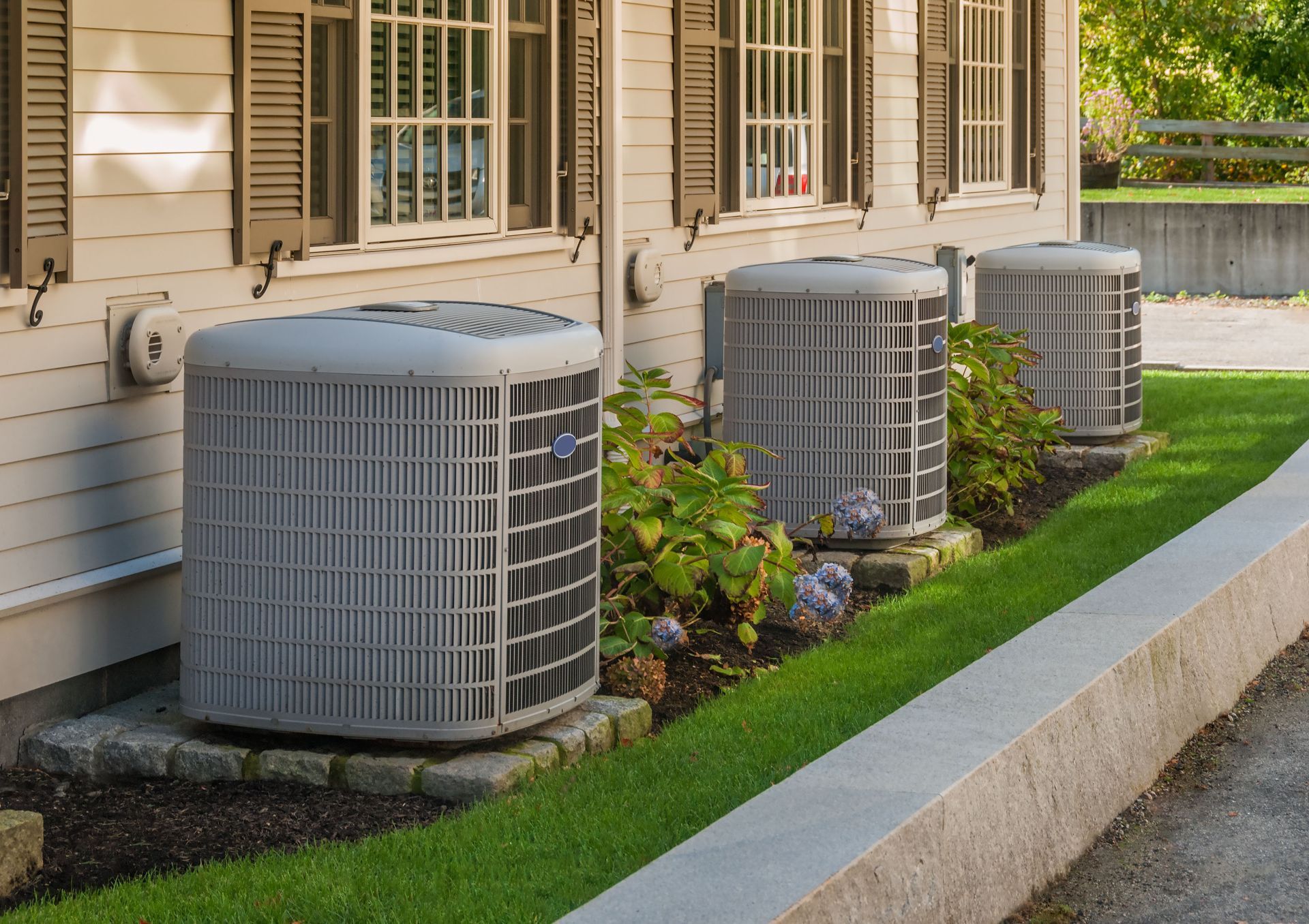
Questions for Your Local HVAC Company

April 1, 2026

When the temperature outside reaches extreme highs or uncomfortable lows, maintaining a perfectly controlled indoor climate becomes an absolute priority for every homeowner. Achieving this level of comfort relies heavily on the expertise of a dedicated professional who can install, repair, and maintain your heating and cooling systems. Finding the right provider, however, can sometimes feel overwhelming given the multitude of options available in the market. To make an informed decision and protect your significant home investment, it is crucial to approach the selection process with a clear strategy. Engaging in a detailed conversation and asking specific questions will reveal a great deal about the reliability, professionalism, and expertise of the business you intend to hire. Knowing exactly what to ask ensures you will partner with a capable HVAC company that truly understands your unique indoor climate needs. By taking the time to thoroughly vet your options, you can secure peace of mind and long-lasting comfort for your household.


What Are Your Licensing and Insurance Qualifications?


The foundational step in evaluating any service provider involves verifying their legal and professional credentials. A reputable HVAC company should readily provide proof of active licensing, which demonstrates their compliance with local and state regulations. This documentation serves as a vital indicator that their technicians have undergone the necessary training and possess the technical knowledge required to perform safe and effective work within your home. Furthermore, comprehensive insurance coverage is non-negotiable. You must ensure the provider carries both liability insurance and workers' compensation policies. This protects you from being held financially responsible in the unlikely event that an accident occurs on your property or if damages are accidentally inflicted upon your home during the service visit. Requesting physical copies or digital proof of these documents is a standard practice, and any hesitation from the provider to supply them should be viewed as a significant warning sign. Establishing these credentials up front guarantees you are dealing with legitimate professionals who take their business operations and your safety seriously.


How Much Experience Do Your Technicians Possess?


Beyond basic licensing, the practical experience of the technicians who will actually be working on your property is incredibly important. The heating and cooling industry is constantly evolving, with new technologies and complex systems being introduced regularly. Therefore, you want to ensure the team handling your equipment has a deep, practical understanding of both traditional units and the latest climate control innovations. When interviewing a prospective HVAC company, ask about the ongoing training programs they mandate for their staff. Technicians who participate in continuous education are far better equipped to diagnose unusual issues quickly and accurately, ultimately saving you from prolonged discomfort and unnecessary expenses. Additionally, inquire about their familiarity with the specific type of system you currently own or intend to purchase. Hands-on experience with your exact equipment brand and model translates to a more efficient installation or repair process, reducing the likelihood of recurring problems down the line.


Which Specific Brands and Systems Do You Service?


Not all heating and cooling systems are created equal, and similarly, not all service providers specialize in every brand available on the market. Some contractors focus primarily on a select few manufacturers, while others maintain a broader scope of expertise. It is highly beneficial to ask about their specific areas of focus to determine if their capabilities align with your residential needs. If you are looking to install completely new equipment, their brand affiliations might dictate the options presented to you. Choosing a high-quality system is incredibly important for the longevity of your investment. According to HVAC.com, most modern air conditioners are expected to last approximately 15 years. To ensure your unit reaches or exceeds this expected lifespan, it must be installed and maintained by individuals who thoroughly understand the manufacturer's specifications. Knowing the breadth of their service capabilities helps you determine whether they are the right fit for your current troubleshooting needs or your future upgrade plans.


What Is Included in Your Written Estimates?


Financial transparency is a hallmark of an honest and dependable service provider. Before any work commences, you should always request a comprehensive written estimate that details the entire scope of the proposed project. When speaking with your chosen HVAC company, ask them to explain exactly what their estimates cover. A thorough quote should break down the costs of all necessary parts, the required labor, and any potential fees for the removal and disposal of old equipment. It should also outline the timeline for the project's completion. Vague estimates can often lead to unexpected charges and disputes once the work is finalized. By asking for a detailed breakdown, you can accurately compare quotes between different contractors and ensure you are receiving fair market value for the services rendered. Clear communication regarding pricing structures eliminates stressful surprises and fosters a trusting, transparent relationship throughout the duration of the repair or installation process.


Do You Provide Comprehensive Maintenance Plans?


Routine preventative maintenance is the absolute best way to protect your heating and cooling equipment from sudden, catastrophic failures. Just as a vehicle requires regular oil changes to function properly, your climate control systems need periodic inspections, cleanings, and tune-ups to operate at peak efficiency. Therefore, it is highly recommended to ask if the provider offers ongoing maintenance agreements. Partnering with an HVAC company that prioritizes preventative care shows they are invested in the long-term performance of your equipment, rather than just quick, reactive fixes. These agreements often include scheduled seasonal visits to prepare your system for the demanding summer and winter months. Furthermore, many providers offer their maintenance plan members exclusive benefits, such as priority scheduling during busy seasons or discounts on replacement parts. Securing a reliable maintenance partnership guarantees your system remains clean, efficient, and capable of keeping your home perfectly comfortable year-round.


What Warranties or Guarantees Do You Offer?


Even with the highest quality equipment and the most skilled technicians, unexpected issues can occasionally arise after a repair or installation is completed. To safeguard your investment, you must clearly understand the warranties and guarantees associated with the work being performed. A trustworthy HVAC company will confidently stand behind the quality of their craftsmanship. Ask about the specific duration and coverage details of their labor warranty, which should protect you if a mistake was made during the installation or repair process. Additionally, inquire about how they handle manufacturer warranties for the parts and equipment they supply. You need to know if they will manage the claim process on your behalf should a part fail prematurely. Providers who offer robust satisfaction guarantees demonstrate a high level of confidence in their work and a strong commitment to customer service, ensuring any post-service concerns are addressed promptly and professionally.


Navigating the process of selecting the ideal heating and cooling contractor does not have to be a stressful endeavor. By taking a proactive approach and asking these essential questions, you empower yourself to make a confident, well-informed choice. Assessing their licensing, evaluating their technical experience, understanding their pricing structures, and reviewing their warranty offerings will guide you toward a provider who values transparency and exceptional service. The comfort, safety, and energy efficiency of your home rely on the skills of the professionals you invite inside. When you are ready to experience top-tier climate control solutions from a dedicated team, reach out to the experts who prioritize your satisfaction above all else. Finding the right HVAC company is the key to maintaining a perfectly balanced indoor environment through every changing season. Call Quality Heating & Air LLC today to learn more about our comprehensive services and how we can elevate your overall home comfort.
Questions for Your Local HVAC Company
local hvac contractors
March 17, 2026
Knowing when to replace or repair your HVAC system can be a challenge. Your local HVAC contractors have a lot of wisdom they'd love to share!
HVAC service
March 12, 2026
If you're ready for an energy-efficient HVAC service in Louisville, KY, we're here to help with the latest technology. Contact us today for more information.
HVAC repairs
January 27, 2026
Knowing when to schedule HVAC repairs is essential for every homeowner. Your heating, ventilation, and air conditioning system works tirelessly to maintain comfort year-round, yet many homeowners only think about it when something goes wrong. Early detection of issues, combined with routine maintenance, can save you from unexpected expenses, uncomfortable indoor conditions, and emergency service calls. Your HVAC system impacts energy efficiency, air quality, and even property value. Ignoring problems can lead to higher utility bills, premature system failure, and emergency repair costs. By staying aware of the signs that HVAC repairs are needed and understanding the lifespan of key components, you can protect both your home and your wallet. Recognizing Early Warning Signs of HVAC System Trouble Preventing major failures begins with noticing the subtle signs your system is struggling. One of the first indicators is unusual noises. Grinding, rattling, squealing, or banging sounds often signal loose components, worn belts, or motor issues. Ignoring these noises can allow small problems to escalate into major HVAC repairs. Inconsistent temperatures are another key warning sign. Rooms that are noticeably warmer or cooler than others may indicate airflow restrictions, thermostat malfunctions, aging equipment, or ductwork issues. These inconsistencies force your system to work harder, increasing wear and energy costs. Sudden spikes in your energy bill also signal potential HVAC problems. When the system loses efficiency due to dirty filters, duct leaks, or worn components, it consumes more energy to maintain comfort. Addressing inefficiencies early can save both energy and money. Short cycling—when the system turns on and off too frequently—places additional stress on your unit. Causes can include oversized equipment, clogged filters, or electrical faults. Without intervention, short cycling accelerates wear and increases the likelihood of expensive HVAC repairs. Finally, poor indoor air quality, such as excessive dust, humidity, or stale air, often indicates that your system isn't filtering or ventilating effectively. Clogged filters, neglected maintenance, or duct leaks are common contributors. Prompt attention to these issues helps protect your family's health while preventing further HVAC repairs. Preventing Costly HVAC Breakdowns Through Seasonal Maintenance Routine seasonal maintenance is a key factor in avoiding expensive HVAC repairs and extending system life. Spring inspections prepare your air conditioner for the summer months by cleaning coils, checking refrigerant levels, inspecting electrical connections, and replacing dirty filters. Catching minor issues early prevents breakdowns during peak cooling periods. Fall maintenance ensures your heating system operates efficiently during colder months. A professional furnace tune-up typically includes inspecting burners, evaluating the heat exchanger, testing safety controls, and verifying system performance. According to This Old House, most furnaces can last up to 20 years but require eventual replacement, just like every component in your heating system. Regular seasonal maintenance helps systems reach that full lifespan while preventing unexpected HVAC repairs. Filter replacement is a simple but critical maintenance task. Filters should generally be replaced every one to three months, depending on usage, pets, and environmental factors. Clean filters improve airflow, reduce strain on the blower motor, enhance indoor air quality, and prevent unnecessary energy costs. Leaks in refrigerant lines or ductwork also require attention. Refrigerant leaks reduce cooling efficiency and can damage the compressor, while duct leaks allow conditioned air to escape, causing higher energy bills. Detecting and repairing leaks during routine maintenance prevents these issues from escalating into major HVAC repairs. Finally, professional inspections allow trained technicians to detect electrical problems, worn parts, airflow restrictions, and control malfunctions before they lead to system failure. Preventive maintenance is one of the most cost-effective ways to avoid emergency HVAC repairs. Identifying Common HVAC Repairs and Expected Equipment Lifespans Even with proper care, HVAC systems require repairs over time due to normal wear and aging. Thermostat malfunctions are frequent, often causing uneven temperatures, short cycling, or systems that won't turn on. Solutions may include replacing batteries, recalibrating, or upgrading outdated models. Refrigerant leaks are another common issue, signaled by hissing noises, ice formation on lines, or reduced cooling efficiency. These leaks not only reduce performance but also pose environmental risks. Certified technicians can repair leaks safely and recharge the system to prevent further damage. Drainage issues occur when condensate lines become clogged by debris or algae, leading to water damage or reduced system efficiency. Regular drain cleaning and inspections help prevent these problems and minimize the need for costly HVAC repairs. Mechanical wear impacts moving parts such as belts, motors, bearings, and fans. Over time, these components naturally deteriorate, and early replacement prevents sudden breakdowns. Electrical failures—such as faulty wiring, blown fuses, or tripped breakers—also require professional attention to maintain safety and system performance. As equipment ages, HVAC repairs become more frequent, and efficiency declines. Upgrading to high-efficiency components or smart thermostats can reduce strain on older systems and improve longevity. Extending HVAC System Performance With Smart Preventive Strategies Proactive homeowners can greatly reduce the frequency of HVAC repairs through preventive care. Regular cleaning prevents blockages, keeps components operating efficiently, and ensures optimal airflow. This includes clearing outdoor units of debris, keeping vents and registers clean, and routinely changing filters. Professional maintenance is another critical strategy. Annual tune-ups allow technicians to identify early warning signs, lubricate moving parts, and adjust system performance. Consistent preventive maintenance enhances system reliability and reduces the likelihood of emergency HVAC repairs. Upgrading home insulation also extends HVAC system performance. Proper insulation reduces thermal loss, allowing your system to maintain comfortable temperatures without overworking. Improvements to attic insulation, sealing leaks, and repairing weather stripping can lower energy bills and reduce wear on the HVAC system. Smart thermostats offer another effective strategy. These devices learn household patterns, adjust temperatures automatically, and allow remote control. By minimizing unnecessary run time, smart thermostats help your system operate efficiently, lowering energy costs and reducing stress on components. Avoiding the Long-Term Costs of Ignoring HVAC Problems Neglecting HVAC maintenance and repairs carries multiple long-term costs. Inefficient systems consume more energy, leading to higher utility bills. Proactive HVAC repairs restore efficiency, keeping operational costs under control. Emergency repair expenses are another consequence of neglect. Unplanned breakdowns often occur during extreme weather, when service fees are higher. Regular inspections and preventive care help avoid these costly situations. System lifespan is directly affected by deferred maintenance. Components that are not serviced regularly deteriorate faster, leading to premature system failure and replacement. Timely repairs help ensure your HVAC system reaches its full service life. Poor indoor air quality is another hidden cost of neglect. Malfunctioning systems can circulate dust, allergens, and moisture, causing discomfort and health risks. Proper maintenance and HVAC repairs protect the well-being of everyone in your home. Proactively managing your HVAC system through routine inspections, timely HVAC repairs , and consistent maintenance is one of the best ways to protect your home. Recognizing early warning signs, performing seasonal maintenance, and addressing minor problems quickly reduces the risk of expensive breakdowns while extending the life of your system. From energy efficiency to indoor air quality, preventive care improves both system performance and household comfort. If your system shows signs of strain—or it's been more than a year since your last inspection—now is the time to act. Schedule a professional HVAC inspection today with Quality Heating & Air LLC to prevent costly repairs, protect your investment, and ensure your home remains comfortable in every season.
More Posts →