
What Causes Uneven Temperatures Throughout Your Home?
Uneven temperatures throughout a home can make it difficult to maintain a comfortable indoor environment. While one room may feel too warm, another may remain noticeably cold, even when the thermostat is set to a consistent temperature. These differences can result from insulation problems, inefficient HVAC equipment, ductwork issues, and several other factors. Understanding what causes these inconsistencies can help homeowners identify the source of the problem and determine which professional solutions will restore balanced indoor comfort.
Poor Insulation
Insulation plays an important role in maintaining consistent temperatures throughout a home. It slows heat transfer, helping keep warm air inside during winter and preventing excessive outdoor heat from entering during summer. When insulation is inadequate, certain rooms may become uncomfortable regardless of how frequently the heating or cooling system operates.
Attics, exterior walls, basements, and crawl spaces are particularly important areas for insulation. If these spaces lack sufficient thermal protection, indoor temperatures can fluctuate significantly. Older homes may be especially vulnerable because insulation materials can deteriorate or become less effective over time.
Signs of insulation problems include cold drafts, unusually warm upstairs rooms, and rising energy bills. Homeowners experiencing these symptoms may benefit from a professional insulation assessment. Experienced local HVAC contractors can help determine whether insulation deficiencies are contributing to heating and cooling problems.
Inefficient HVAC Systems
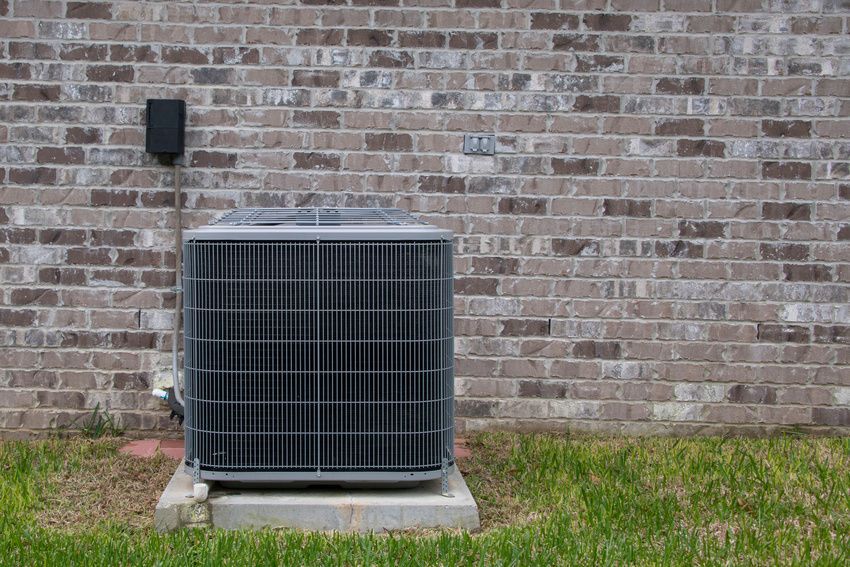
An inefficient heating and cooling system is another common cause of uneven indoor temperatures. HVAC equipment is responsible for distributing conditioned air throughout the home, and problems with its performance can affect individual rooms differently. Systems that are outdated, improperly sized, or poorly maintained may struggle to meet the household's heating and cooling demands.
A system that is too small may run continuously without adequately conditioning the entire property. Conversely, oversized equipment may cycle on and off too frequently, preventing consistent temperature regulation. Faulty thermostats and aging components can also interfere with the system's ability to maintain the selected temperature.
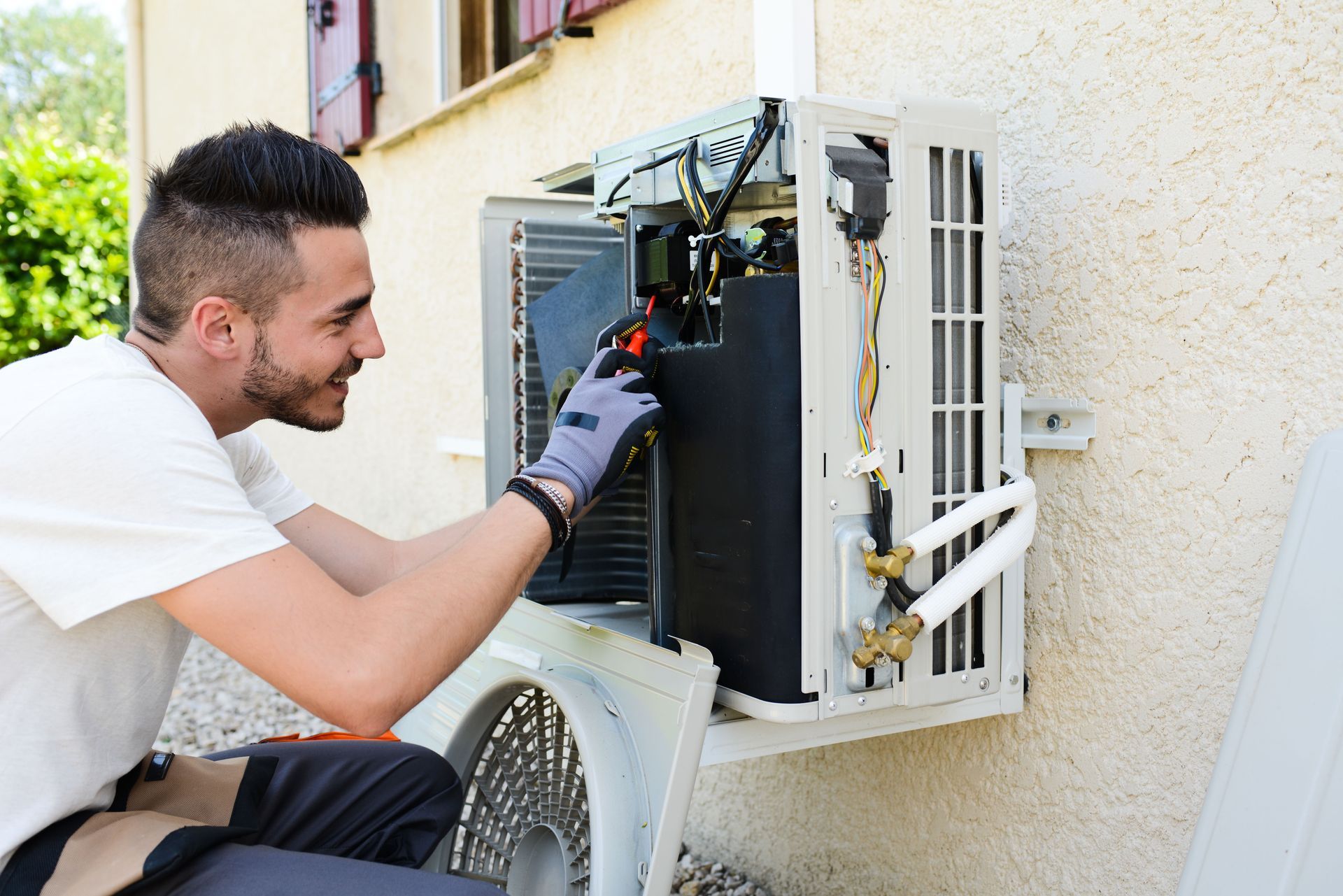
Regular professional maintenance helps identify equipment problems before they become more serious. HVAC technicians can inspect system components, evaluate performance, and determine whether repairs or replacement are necessary. Homeowners looking for local HVAC contractors should prioritize professionals who can evaluate the entire heating and cooling system rather than focusing on individual symptoms.
Modern HVAC equipment also offers improved efficiency and more precise temperature control. According to Global Research Consulting, the US air conditioning market size reached $28.5 billion in 2025 and is projected to expand to $38.4 billion by 2035. This growth reflects continued demand for air conditioning technology and improved climate control solutions. Upgrading outdated equipment may help homeowners achieve more reliable temperatures while reducing unnecessary energy consumption.
Air Duct Problems
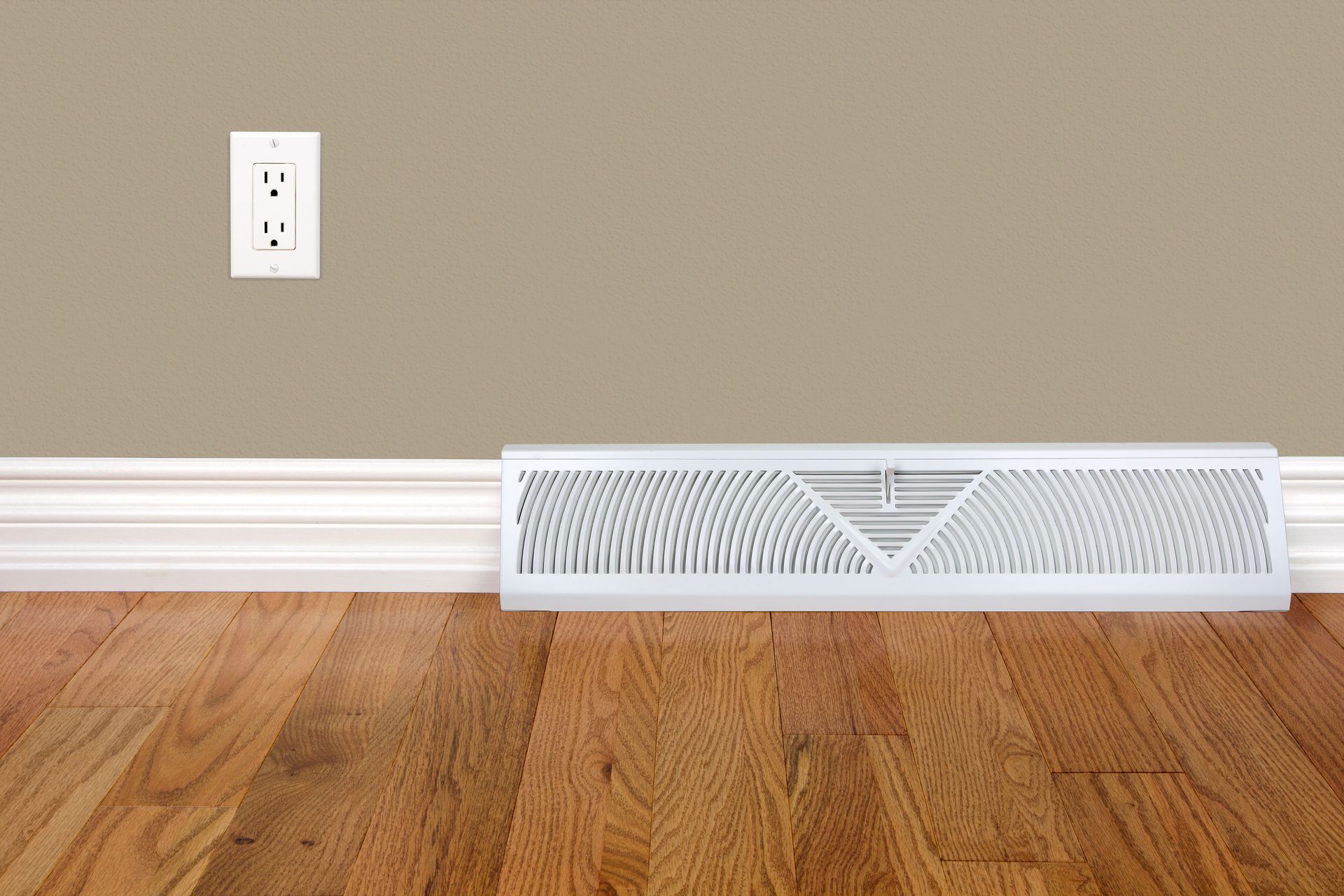
Air ducts distribute heated and cooled air from the HVAC system to different rooms throughout a property. When ductwork is damaged, improperly designed, or poorly maintained, some areas may receive significantly less conditioned air than others. These problems can make it difficult to maintain consistent indoor temperatures.
Leaking ducts are particularly problematic because conditioned air escapes before reaching its intended destination. Blockages and accumulated debris can also restrict airflow, leaving certain rooms warmer or colder than expected. Homeowners may notice weak airflow from vents, unusual noises, or temperature differences between rooms.
The design and layout of ductwork also influence system performance. Rooms located far from the HVAC equipment may receive less airflow when the duct system is improperly configured. Professional inspections can identify these design limitations and determine whether duct repairs, modifications, or replacement are appropriate.
Maintaining properly functioning ductwork supports both comfort and energy efficiency. Professional HVAC technicians can evaluate duct conditions, locate leaks, and identify airflow restrictions. Homeowners searching for local HVAC contractors can benefit from choosing experienced technicians who understand how ductwork affects the overall performance of residential heating and cooling systems.
Window and Door Drafts
Gaps around windows and doors can allow outdoor air to enter the home, creating uncomfortable temperature differences. During winter, cold air infiltration can make rooms near exterior walls feel noticeably colder. In summer, warm outdoor air can increase cooling demands and make certain areas harder to keep comfortable.
Older windows and doors are particularly susceptible to these problems. Worn seals, deteriorating frames, and inadequate insulation can contribute to unwanted air movement. These issues may also cause HVAC systems to operate longer as they attempt to compensate for changing indoor conditions.
The location of windows and doors can influence how strongly drafts affect individual rooms. Areas with large windows or exterior-facing doors may experience greater temperature fluctuations, especially when exposed to direct sunlight or strong winds. Professional evaluations can help determine whether replacement windows, improved sealing, or other structural improvements would provide the greatest benefit.
Addressing air leakage can reduce unnecessary strain on heating and cooling equipment. A properly sealed home allows conditioned air to remain indoors longer, supporting more consistent temperatures throughout the property. Local HVAC contractors can also help determine whether air infiltration is contributing to persistent heating and cooling problems.
Architectural Design Flaws
A home's architectural layout can influence how effectively heated and cooled air moves between rooms. Open floor plans, high ceilings, multiple stories, and large living spaces can create challenges for maintaining consistent temperatures. These characteristics may require specialized HVAC configurations to distribute conditioned air effectively.
Multi-story homes frequently experience temperature differences between floors. Warm air naturally rises, which can cause upper levels to become hotter than lower levels during certain seasons. Meanwhile, rooms located far from the thermostat may not reach the same temperature as the areas where the thermostat is installed.
Poorly planned zoning can create additional comfort problems. When one thermostat controls several areas with different heating and cooling requirements, the system may not adequately address every room's needs. This can be particularly noticeable in homes with additions, finished basements, or rooms that receive significant sunlight.
Professional HVAC assessments can help determine whether zoning equipment or airflow adjustments would improve temperature distribution. Zoned systems divide a property into separate areas with independent temperature controls. Local HVAC contractors can evaluate whether this technology is appropriate for a home's layout and recommend configurations that address different heating and cooling requirements.
External Factors
Outdoor conditions can have a substantial influence on indoor temperatures. Regional climate, seasonal weather changes, sunlight exposure, and surrounding structures all affect how much heating or cooling a home requires. These influences may also contribute to temperature differences between rooms.
Homes in areas with extreme seasonal temperatures often experience greater heating and cooling demands. During summer, rooms with large south- or west-facing windows may absorb considerable sunlight and become warmer than other areas. During winter, exterior walls and rooms with limited sunlight may lose heat more quickly.
Landscaping and surrounding structures can also influence indoor comfort. Trees and other vegetation may provide shade that reduces direct sunlight exposure, while nearby buildings can block natural airflow. These environmental conditions can create different temperature patterns depending on the home's location and orientation.
HVAC systems must account for these changing conditions to maintain comfortable indoor environments. Professional technicians can evaluate how sunlight exposure, room placement, and outdoor conditions affect system performance. Qualified local HVAC contractors can then recommend appropriate equipment adjustments or upgrades to improve temperature consistency throughout the property.
Professional assistance is especially valuable when temperature differences persist despite normal HVAC operation. Experienced technicians can evaluate equipment performance, inspect ductwork, and identify conditions that interfere with proper airflow. Working with qualified local HVAC contractors can help homeowners determine which improvements will deliver the greatest long-term benefits.
For dependable heating and cooling services, turn to Quality Heating & Air LLC. Their team can help identify HVAC problems, evaluate system performance, and recommend solutions designed to improve indoor comfort. Contact Quality Heating & Air LLC today to schedule professional service and enjoy more consistent temperatures throughout your home.
Share On: