
Why Professional HVAC Installation Matters for Longevity
When homeowners think about extending the life of their heating and cooling systems, they often focus on routine maintenance or choosing energy-efficient equipment. Both matter, but one foundational decision eclipses them all: the quality of the HVAC installation. A carefully planned and professionally executed HVAC installation sets the stage for reliable operation, efficient energy use, and a long service life. This article explores why professional HVAC installation matters for longevity and what homeowners should expect to protect their investment over decades.
Equipment Sizing
One of the most common mistakes made during HVAC installation is selecting equipment that's improperly sized for the home. Oversized units short-cycle, causing frequent on-off cycles that strain compressors and motors. Undersized units run continuously to meet demand, which accelerates wear. Professional HVAC installation includes accurate load calculations—taking into account the home's square footage, insulation levels, window placement, and occupancy patterns—to match system capacity to real-world needs. Avoiding undersizing and oversizing helps systems operate within designed parameters, significantly reducing long-term stress and extending component life.
Ductwork Design
Ductwork is as important as the furnace or air conditioner itself. Leaky, poorly routed, or undersized ducts can create pressure imbalances, force systems to work harder, and foster uneven heating and cooling. Quality HVAC installation ensures ducts are sealed, insulated where necessary, and sized to provide balanced airflow to each room. Correct airflow reduces strain on fans and motors, helps maintain consistent temperatures, and prevents components from overheating or icing up. Over the long term, well-executed ductwork lowers the likelihood of premature component failure and inefficient operation.
Refrigerant Management
The refrigerant charge in a cooling system must be precise. Too little refrigerant reduces cooling capacity and forces the compressor to operate under stress; too much can increase pressure and risk compressor damage. Experienced technicians measure and adjust refrigerant levels during HVAC installation using manufacturer-specified procedures. Proper refrigerant handling protects the compressor—the heart of an air conditioning system—and helps keep the entire refrigeration cycle operating efficiently, which translates directly to longer service life.
Electrical Integrity
Electrical work during HVAC installation goes beyond connecting wires. Properly sized wiring, correct breaker placement, secure connections, and adherence to local electrical codes are essential to safe, reliable operation. Loose connections or undersized conductors can cause overheating, arcing, or tripping that damages control boards and motors. A professional installation includes rigorous electrical checks, proper grounding, and code-compliant wiring that reduce the risk of electrical failures over the life of the system.
Mounting and Vibration Control
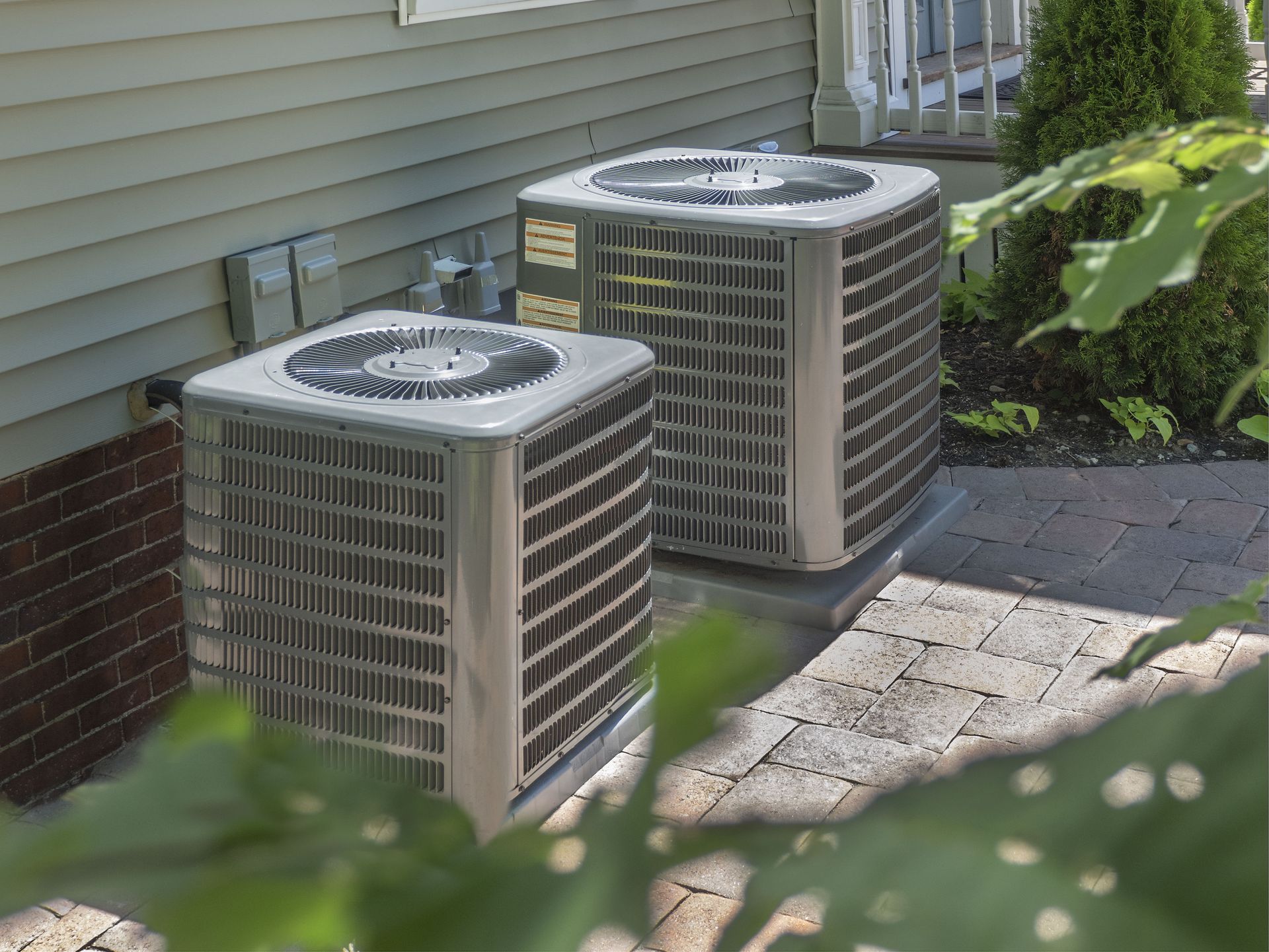
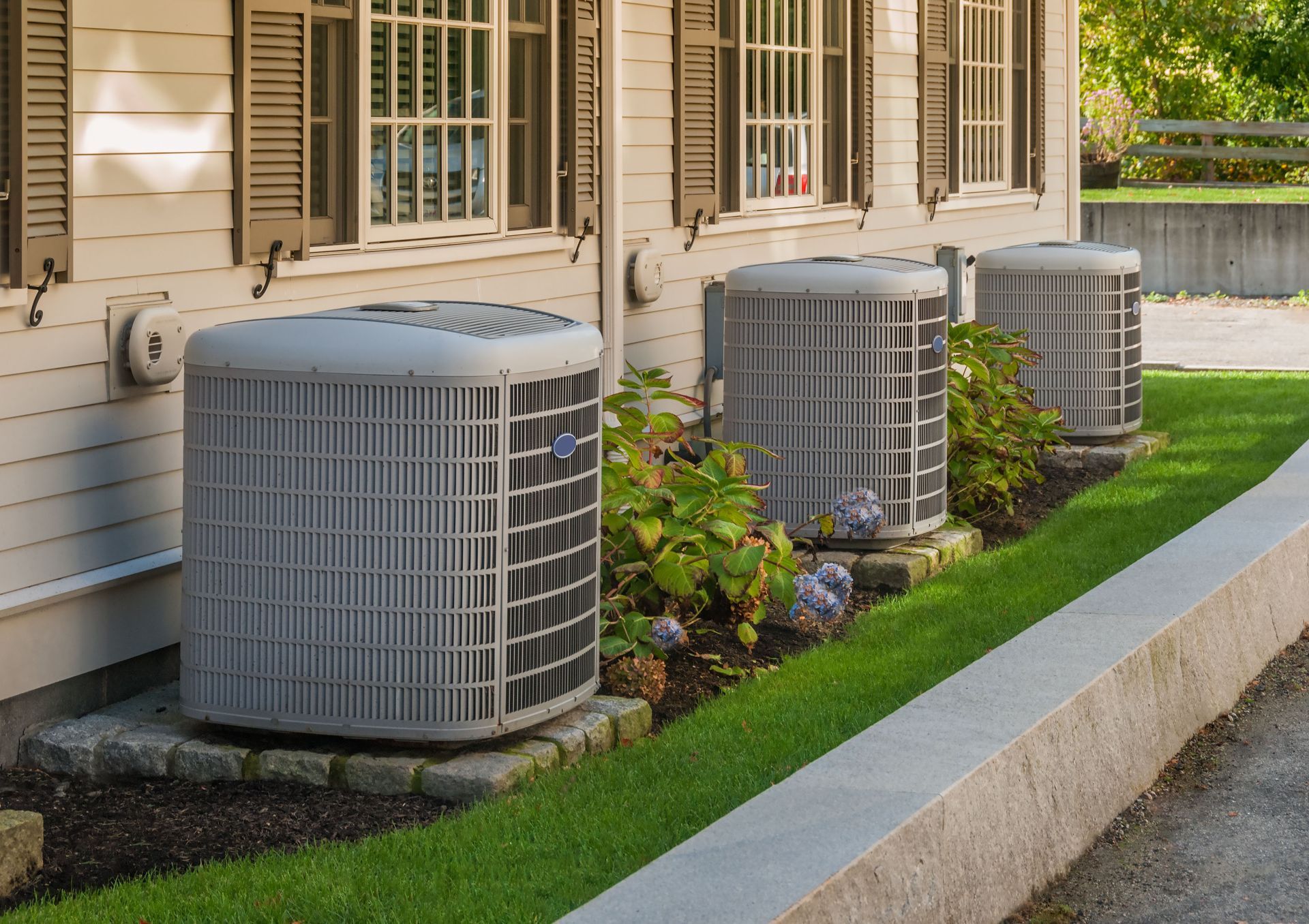
How equipment is mounted and supported influences wear and tear. Improper mounting can transmit excessive vibration to components, leading to accelerated mechanical wear and noise that signals underlying stress. Professional HVAC installation includes appropriate mounts, vibration isolators, and secure placement of outdoor units to prevent rust, flooding, and mechanical damage. Protecting the system from physical stresses helps preserve moving parts, bearings, and fasteners, contributing to a longer lifespan.
Control Systems and Commissioning
Controls and sensors must be installed and placed correctly for a system to operate efficiently. A poorly located thermostat—near a window, in direct sunlight, or next to a heat source—can cause the system to run longer than necessary. Professional HVAC installation includes thoughtful thermostat placement, calibration, and system commissioning: a process that verifies setpoints, sequences, and safety interlocks. Commissioning confirms that the system performs as designed from day one, which reduces the chance of operational anomalies developing into long-term problems.
Air Quality Management
Indoor air quality affects both occupants and equipment. Accumulated dust and debris clog coils, restrict airflow, and increase heat transfer resistance, forcing components to work harder. During HVAC installation, professionals ensure that filtration systems are properly sized and accessible, coils are clean and protected, and return-air pathways are unobstructed. These precautions minimize buildup that can compromise system efficiency and lifespan, making it easier to maintain a clean, efficient system over time.
Warranty Preservation
Many manufacturers require that HVAC installation be performed by certified professionals to keep warranties valid. Improper installation can void warranties, leaving homeowners responsible for repair or replacement costs that might otherwise have been covered. A professional HVAC installation not only reduces failure risk but also preserves manufacturer protection—an important layer of financial and operational security that contributes to overall system longevity.
Code Compliance
Adhering to building codes and obtaining necessary permits are integral parts of responsible HVAC installation. Code-compliant installations protect homeowners and ensure systems meet safety, ventilation, and environmental standards. A licensed contractor handles permits and inspections, addressing requirements for refrigerant handling, gas connections, electrical connections, and combustion air. Compliance avoids legal and safety pitfalls that can otherwise lead to costly retrofits and shortened system life.
Energy Efficiency
Efficient systems run cooler, experience less mechanical stress, and maintain lifespan better than inefficient counterparts. Professional HVAC installation optimizes system performance—ensuring proper refrigerant levels, sealed ductwork, and correct airflow—which reduces runtime and peak loads. Lower operational stress reduces the frequency and severity of mechanical failures, helps avoid thermal cycling that damages components, and contributes to a steady, predictable service life.
Failure Prevention
Many early system failures stem from avoidable problems: clogged filters, improper refrigerant charge, water drainage issues, and electrical miswiring. Professional HVAC installation addresses these failure points proactively—by installing accessible drain lines, verifying condensate management, securing electrical connections, and educating homeowners on filter maintenance. By preventing common issues from taking root, professional installers help systems reach or exceed their expected lifespans.
System Testing
After a system is installed, a series of tests verifies its readiness. Pressure and leak tests, electrical load checks, and performance measurements confirm that the HVAC installation was completed correctly. These initial tests often catch issues that would otherwise cause early failure. Investing in thorough testing at the time of installation minimizes the chance of recurring repairs and reduces cumulative wear by ensuring components operate within manufacturer specifications.
Material Quality
Longevity depends on both big-picture decisions and small details: quality refrigerant lines, proper insulation, corrosion-resistant fasteners, and durable condensate traps. Professional HVAC installation pays attention to these material choices and finishing touches. Insisting on quality materials and meticulous workmanship during installation means fewer callbacks for leaks, fewer opportunities for corrosion, and generally better preservation of system components over time.
Investment Value
Professional HVAC installation may cost more up front than a do-it-yourself or low-bid approach, but the long-term value is substantial. Reliable installation reduces energy bills, minimizes repairs, and postpones premature replacement. When comparing bids, homeowners should weigh skill, warranty coverage, and post-installation support rather than choosing solely on price. Investing in professional HVAC installation is an investment in a system that will deliver reliable service for years.
Maintenance Execution
Even the best HVAC installation needs regular maintenance to sustain longevity. Annual inspections, filter changes, coil cleaning, and calibration of controls prevent degradation. A well-installed system is easier to maintain: components are accessible, ducts are sealed, and service panels are placed for convenience. Professional installation creates a system that not only performs well when new but also remains maintainable throughout its life, making maintenance more effective and preserving equipment health.
System Replacement
Ultimately, every system reaches the end of useful life. According to Today's Homeowner, AC and furnace units should be replaced once they are about 15 years old. Professional HVAC installation and maintenance can help a system approach or even exceed that benchmark with reliable performance. When replacement becomes necessary, a well-documented history of professional installation and maintenance simplifies the transition to new equipment, ensures proper sizing for modern standards, and protects the homeowner's investment over the long term.
Choosing an experienced, certified contractor and committing to regular maintenance turns a heating and cooling unit into a long-lived asset rather than a recurring expense. For homeowners who prioritize durability and dependability, investing in professional
HVAC installation is the smartest first step toward many years of comfortable, efficient operation. Contact Quality Heating & Air LLC today to get started!
Share On: