
Professional Maintenance Tips for Long-Lasting HVAC Services
HVAC systems are an essential component of modern residential and commercial buildings, providing comfort by regulating temperature and air quality. Regular maintenance of these systems is crucial to ensure they operate efficiently and have a long service life. Without proper care, HVAC systems can become less effective and more prone to breakdowns, leading to increased energy costs and potentially expensive repairs. By understanding the critical aspects of HVAC maintenance, homeowners and business operators can better plan their maintenance schedules and improve system reliability. Regular inspections, proper filter maintenance, and other preventative measures are key to long-term HVAC efficiency. This article provides detailed professional maintenance tips to help maximize the longevity of HVAC systems and the value of professional HVAC services.
Schedule Regular Inspections and Tune-Ups
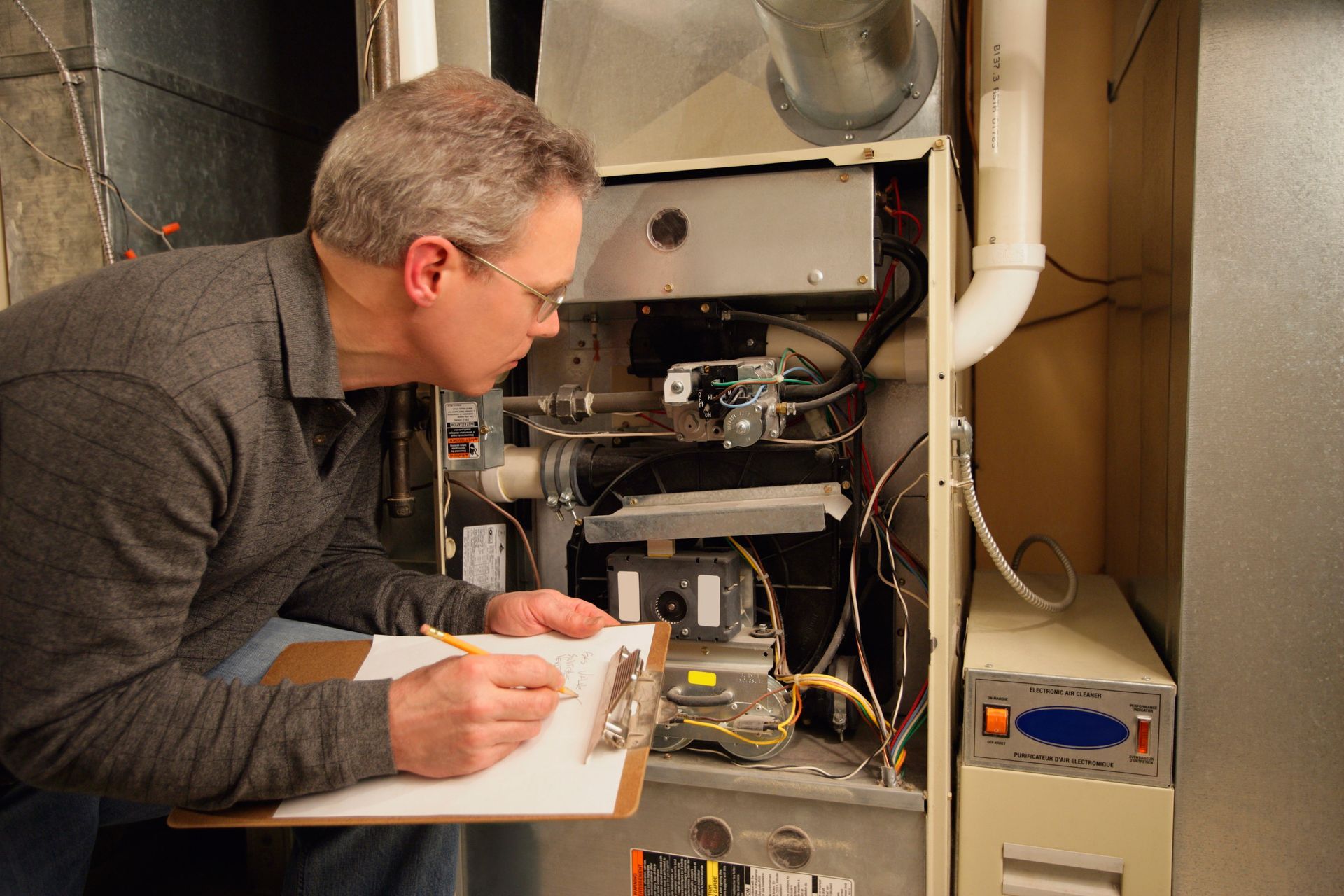
Scheduling bi-annual professional inspections is a proactive approach to maximizing the lifespan of your HVAC system. These HVAC services allow technicians to identify any potential issues that could lead to significant system failures if left untreated. Routine check-ups help in maintaining the system's efficiency and also contribute to optimal energy use. Professionals will assess every aspect of your HVAC system, from mechanical parts to technical configurations, ensuring that everything is working as intended. By catching and addressing issues early, homeowners can avoid costly repairs and extend the life of their HVAC systems with the help of ongoing HVAC services.
Identify Early Signs of Wear and Tear
Over time, normal wear and tear can diminish the operational efficiency of an HVAC system. Identifying signs of wear early can prevent future complications. Mechanical components such as belts and bearings experience friction, leading to gradual deterioration. During inspections, technicians check for such signs and replace any worn-out parts, preventing more significant issues and ensuring smooth operation. Regular inspection as part of HVAC services helps in maintaining system performance at optimal levels, avoiding shutdowns, and improving reliability.
Update System Calibration for Efficiency
System calibration is an often overlooked aspect of HVAC maintenance, yet it significantly influences performance. Properly calibrated systems utilize energy efficiently, translating to energy savings and lower utility bills. Incorrect calibration leads to unnecessary strain on system components, resulting in premature wear and tear. Technicians offering HVAC services adjust settings to ensure the system operates within the tolerated ranges, enhancing its longevity. Keeping track of calibration status during each inspection is a crucial step in long-term system maintenance.
Check and Maintain Refrigerant Levels
Refrigerant levels are a critical component of HVAC maintenance. Insufficient refrigerant can lead to inadequate cooling and increased energy consumption. During regular inspections, technicians check for leaks and ensure levels are within the manufacturer's specifications. If leaks are detected, repairing them promptly is essential to prevent further damage and maintain system efficiency. Including refrigerant checks in your HVAC services prevents costly damage and helps retain the efficacy of the cooling system.
Secure All Electrical Connections
Electrical components play a vital role in the functioning of HVAC systems. Ensuring that all electrical connections are secure during regular inspections prevents potential safety hazards and interruptions in service. Loose connections can cause shorts, leading to system failures or, in the worst cases, electrical fires. Professional HVAC services include tightening connections and checking the condition of all wires and related components. By attending to electrical components, homeowners contribute to the overall safety and functionality of the HVAC system.
Choose the Right Air Filter
Choosing the appropriate air filter is crucial for the proper function of an HVAC system. The right filter should match the system's specifications in terms of size and filtration capacity. A correctly chosen filter will efficiently trap dust, pollen, and other particles, contributing to improved indoor air quality. Homeowners should consult their HVAC system manual or a professional HVAC services provider to determine the most suitable filter type. Choosing the wrong filter could impede airflow, reducing system efficiency and potentially causing damage over time.
Establish a Routine Replacement Schedule
Setting up a routine filter replacement schedule is essential for maintaining system performance and air quality. According to This Old House, AC filters should be changed at least every two to three months. Regular changes ensure proper airflow and prevent the accumulation of dust and debris within the system. A clogged filter forces the system to work harder, increasing energy usage and wearing out components faster. Establishing and adhering to a replacement schedule as part of HVAC services will help keep the system running efficiently and extend its lifespan.
Install Air Filters Properly
Proper installation of air filters is necessary to guarantee effective filtration and system performance. Incorrectly installed filters can allow unfiltered air to bypass the filter, reducing indoor air quality. Homeowners should ensure that filters are correctly oriented according to the arrows on the frame, which indicate airflow direction. Checking for a snug fit without gaps around the edges is also important. Ensuring proper filter installation is a small but vital step within professional HVAC services that improves system efficiency and enhances the health and comfort of building occupants.
Monitor Filter Performance Consistently
Regular monitoring of filter performance is a key aspect of HVAC maintenance. Observing air quality and system operation can provide clues about the filter's condition. A dirty or clogged filter will often result in reduced airflow and diminished overall system performance. Homeowners can opt for filters equipped with performance indicators that signal when replacements are necessary. Incorporating filter checks into regular HVAC services ensures the system continues to operate at peak efficiency.
Maintain High Indoor Air Quality
Maintaining good indoor air quality requires more than just regular filter replacement. Keeping windows and doors closed when the HVAC system is running helps maintain temperature control and prevents contaminants from entering. Using air purifiers and houseplants can further improve the indoor air quality. Homeowners should also ensure that ductwork remains clean and in good condition, as dirty ducts can reintroduce dust and allergens into the air circulation. Combining these practices with routine HVAC services ensures that the indoor air remains fresh and health-supportive.
Inspect and Clean Ductwork Regularly
Regular inspection of ductwork is important to identify any signs of wear and tear or physical damage. Damaged ducts can lead to air leaks, reducing system efficiency and performance. Visual inspection can reveal cracks, holes, or loose joints where air escapes or contaminants enter. Professional HVAC technicians offering HVAC services use specialized tools to assess duct condition and suggest necessary repairs or reinforcements. By addressing issues promptly, homeowners prevent more significant damage and ensure effective air delivery throughout the system.
Perform Thorough Duct Cleaning
Thorough duct cleaning is fundamental to maintaining HVAC performance and efficient air circulation. Over time, dust, debris, and mold can accumulate within the ducts, obstructing airflow and compromising air quality. Professional cleaning as part of HVAC services involves using high-power vacuums and specialized brushes to remove built-up contaminants. Incorporating duct cleaning into regular maintenance schedules ensures dust and dirt do not hinder system efficiency. Clean ducts also minimize the risk of allergens circulating through indoor spaces, contributing to a healthier environment.
Seal Leaks in Duct Systems
Sealing duct leaks is an effective way to improve HVAC efficiency by ensuring that air reaches its intended destination. Leaks in the duct system can lead to energy loss and increased utility costs. Technicians use mastic sealant or metal tape to close gaps and joints, preventing air from escaping. Routine inspections and timely sealing of leaks, offered through HVAC services, enhance airflow and system performance. By focusing on duct sealing, homeowners also contribute to reduced energy consumption and lower operating expenses.
Insulate Ductwork to Prevent Energy Loss
Insulating ductwork is crucial to prevent energy loss, especially in unconditioned spaces like attics or basements. Proper insulation keeps the air within ducts at the desired temperature, reducing strain on HVAC systems. High-quality insulation materials and professional installation through HVAC services ensure that ducts are adequately protected from temperature fluctuations. Insulated ducts contribute to consistent heating and cooling throughout buildings, enhancing comfort and system efficiency. Attention to duct insulation is an investment in long-term HVAC performance gains.
Effective HVAC maintenance extends the system's lifespan while ensuring optimal performance and energy efficiency. Regular inspections, timely filter replacements, and attention to ductwork provide a strong foundation for reliable operation. Engaging with professional HVAC services and adopting preventative measures ensures systems remain in excellent condition. Reach out to Quality Heating and Air LLC to learn more about our services today!

Share On: